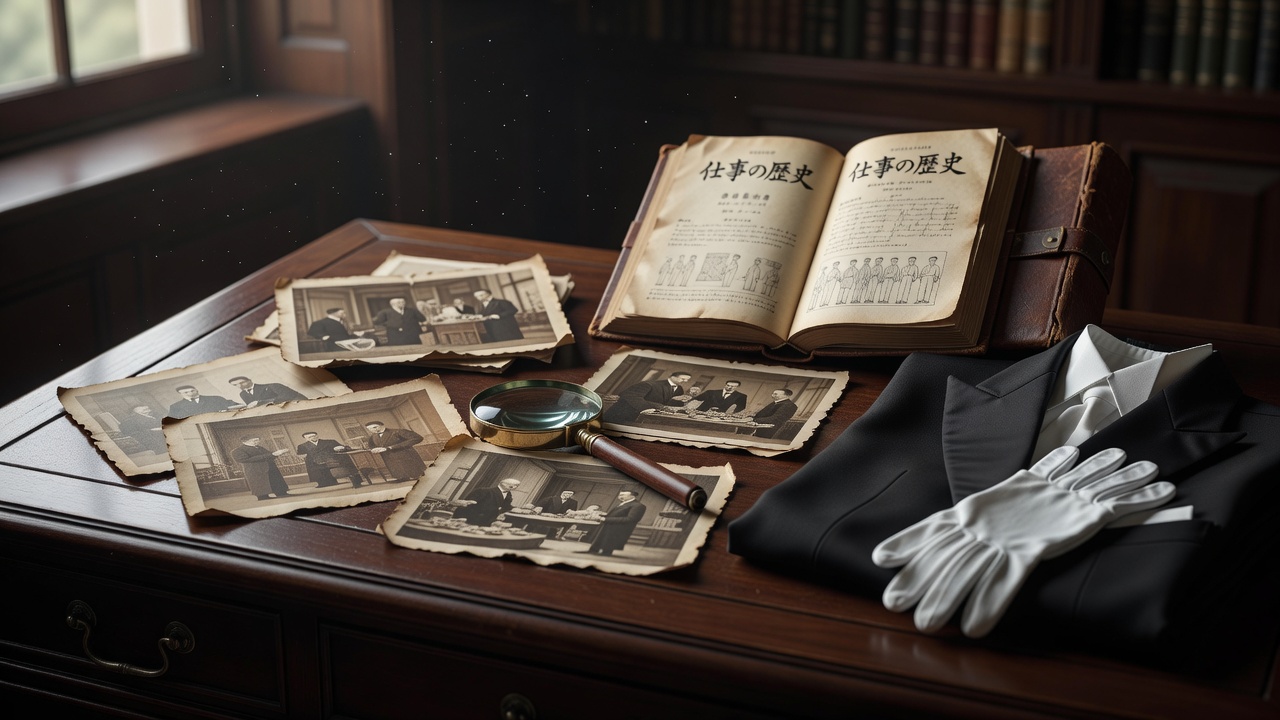
Butlers have changed their shape with the passing eras. I trace the days when they held the keys to the wine cellar, their place in a class-bound society, the transformations of the twentieth century, and their path to the present.
Following historical sources and anecdotes, I read the shifts in this profession. Knowing the history shows why butlers behave as they do today.
Every Custom Has Its Reason
Most of our present forms grew from practical needs rather than ceremony. Surprisingly few were invented simply for show.
Whether a plate is offered from the right or the left, or why one never crosses in front of a guest, these rules began as safety measures long before they became matters of etiquette. History reveals the original, workaday reasons behind them.
Once I understand the reason, I can adapt when circumstances change. Memorising the form alone leaves one frozen when the unexpected occurs.
Holding the Keys
The role began with the butler being entrusted with the keys to the wine cellar. That trust was later extended, step by step, to wider responsibilities.
Being given charge of valuable and difficult assets was itself a mark of confidence. The person who held the keys gradually came to hold objects, then people. The widening of duties followed a clear logic.
The emphasis modern butlers place on confidentiality is simply the continuation of that same principle. At root, the profession rests on the act of being entrusted with something.
The Word 'Servant'
Historically the butler was classed as one kind of servant, yet in practice he directed the entire household. For a long time the title and the actual weight of the work did not match.
In a great house many people worked, and it was the butler who organised and oversaw their efforts. Though he stood in the servant hierarchy, he effectively ran the establishment.
The first Todori (head) of the All Japan Butler Association used to say, 'This is not merely a servant's work; it is the work of looking after another person's life.' That remark is still preserved in the association, and the habit of judging by substance rather than title continues to this day.
What the Twentieth Century Took Away
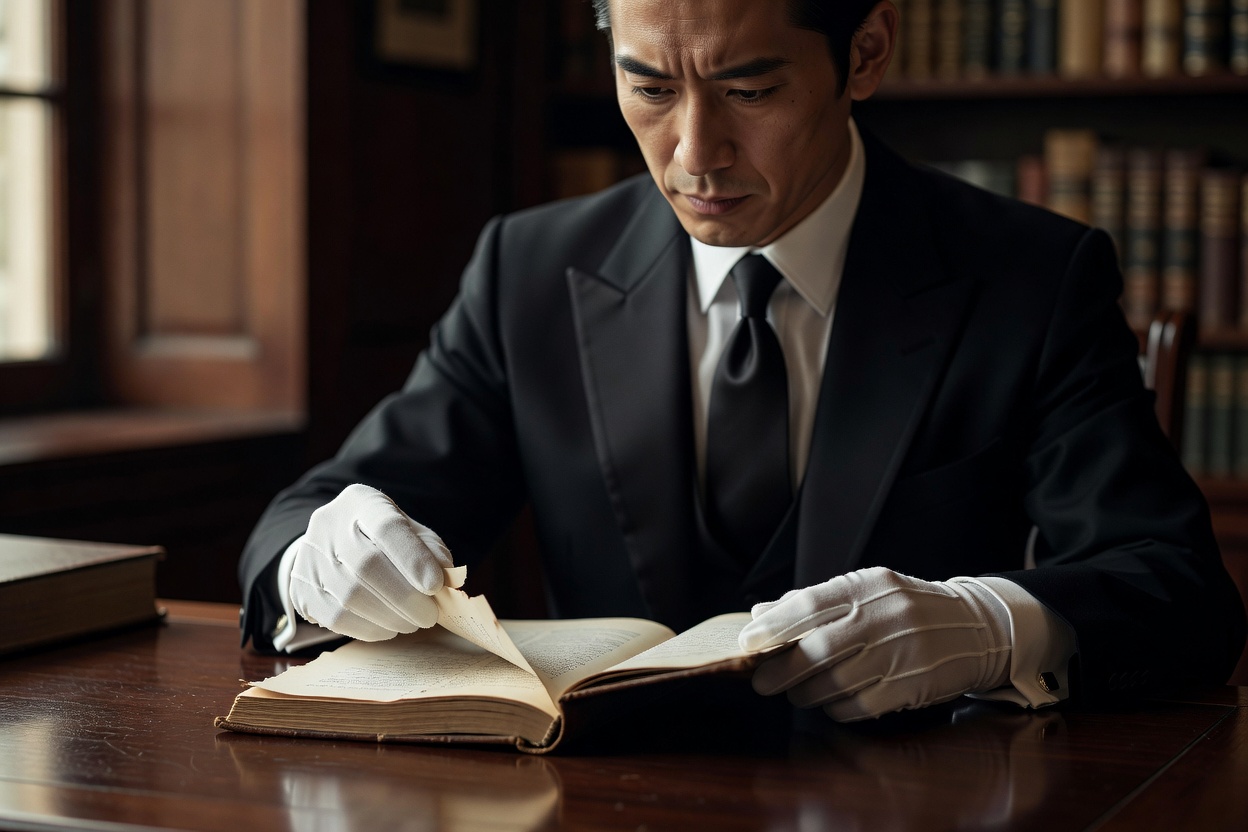
When the great houses and their large staffs disappeared, the number of people able to carry out the role fell sharply. In Japan the near-forgetting of butlers followed the same pattern.
Workers moved into other industries and the old way of maintaining a house became unsustainable. For a time the occupation itself was regarded as a thing of the past.
Yet the need never vanished. The functions required simply became more concentrated, and the modern butler is the result of that concentration.
What History Still Gives Us
Only the outward form has changed; the core remains. The principle of anticipating a person's needs and preparing the way ahead has stayed constant since the wine-cellar days.
Tools, dress and working methods have all altered, yet the structure of answering a trust placed in us is unchanged. Following the history helps me see which parts may be adapted and which must not be touched.
A fuller chronological account appears on the page devoted to the history of butlers.
Frequently Asked Questions
What reasons lie behind a butler's customs?
Most grew from practical necessity. The direction in which a plate is offered, or the rule against crossing in front of someone, began as safety measures before they became etiquette.
Was the butler once a servant?
In rank he belonged to the servant class, yet he actually directed the running of the entire household. Title and real responsibility long failed to coincide.
What use is a knowledge of history?
It explains why each form exists, so I can apply the principle when the unexpected arises. It also shows which elements may safely change and which must stay.
Related Pages
Consultations on Butler Culture
I welcome enquiries for interviews or lectures that draw on history and culture.
Contact us