SERVICE 01
The Salon
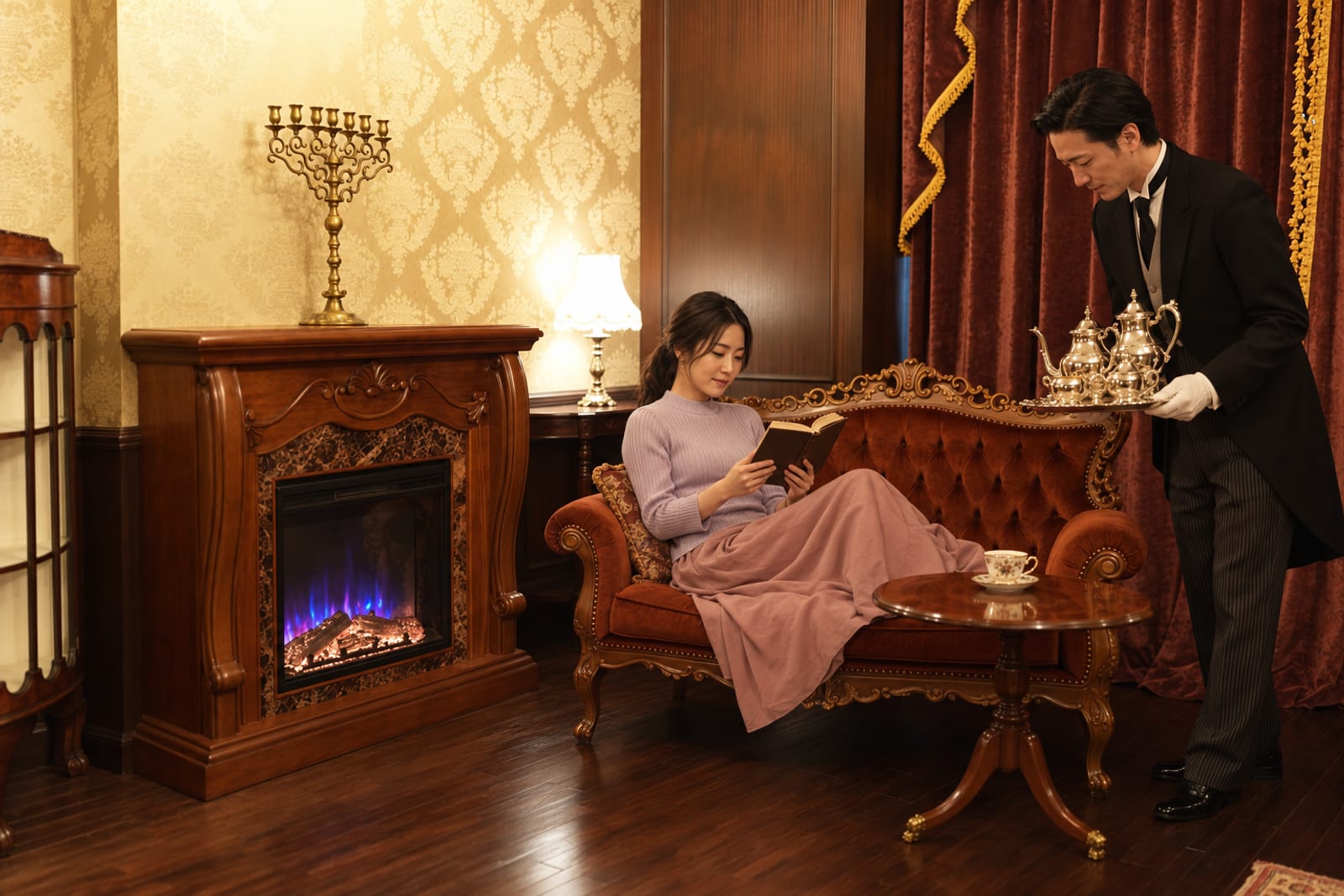
The residence opened to a single party, with a butler under the same roof for as long as the lady is inside. Tea, the table, a book before the fire, a film on the big screen: what to do is hers to decide.
Whoever steps inside the door is mistress of the residence for that time. A butler salon for women that the All Japan Butler Association keeps itself; the door is opened by our own butlers. As head, I explain why the association keeps this residence and what its butlers guard there.
Queen's Butler is a new business begun by the All Japan Butler Association. On the stage of a single antique residence in Odaiba, women guests experience the butler's hospitality. A salon, a studio that doubles as a space to hire, an apprenticeship of an afternoon, a shop that trades online: four ways in, but one residence and one set of butlers.
The phrase "the butler who serves a queen" means that whoever comes to the residence is received as its mistress. Butlers of both sexes serve here, and for as long as you remain one of them is under the same roof: he takes your instructions, moves ahead of you where that is useful, and goes back to the anteroom when quiet is what you want. The butler's timing is the residence's time itself.
The house is opened by appointment alone, to parties of between one and six. Meals are not cooked here, though you are welcome to carry in whatever you would like to eat and drink. What is charged, and the terms on which a car is provided, are revised from time to time; the official site holds what applies today.
The word Queen in the name is not there to call our women guests queens. It is there so that the butlers never forget the order inside the door: the one who has come stands highest. The butler serves a mistress, and the residence's name tells the butler every day who that is.
In setting up the residence, the first thing I decided was what it would not be. It is not a venue, not a place for gathering a crowd and making it lively. One party is received, and only that party's hours run there. The number we accept is small for the size of the house precisely in order to hold that one point.
Let me also set down why the salon is for women. The association heard for years from people who wanted to experience a butler's hospitality but found it hard to come alone. Knowing in advance that there will be no stranger inside the door is itself what lowers that threshold. This is less a courtesy than a point of design.
The association has clauses that set down the butler's rules. Clauses, though, stay paper until they are read. Queen's Butler is where those clauses are experienced as a day at the residence: the speed of the hand that draws the door, the faintness of the sound when a cup is set down, the breath taken before speaking. Everything the butlers do here answers to a line in the text.
What I, as head, put into this residence is the return of butler culture from a service to a culture. THE BUTLER sends butlers to households; the Japan Butler Academy trains them. Queen's Butler is where you confirm the profession with your own eyes.
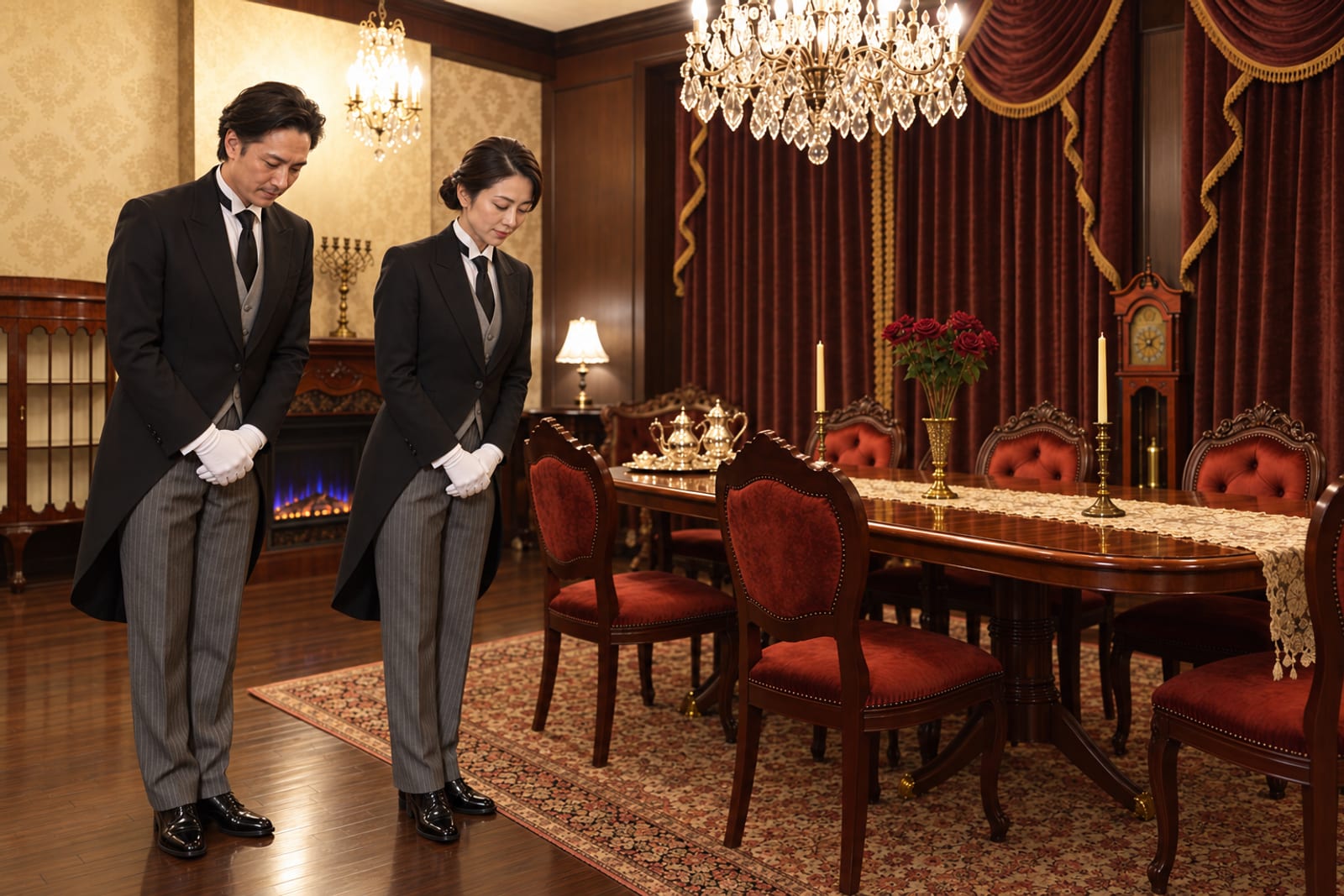
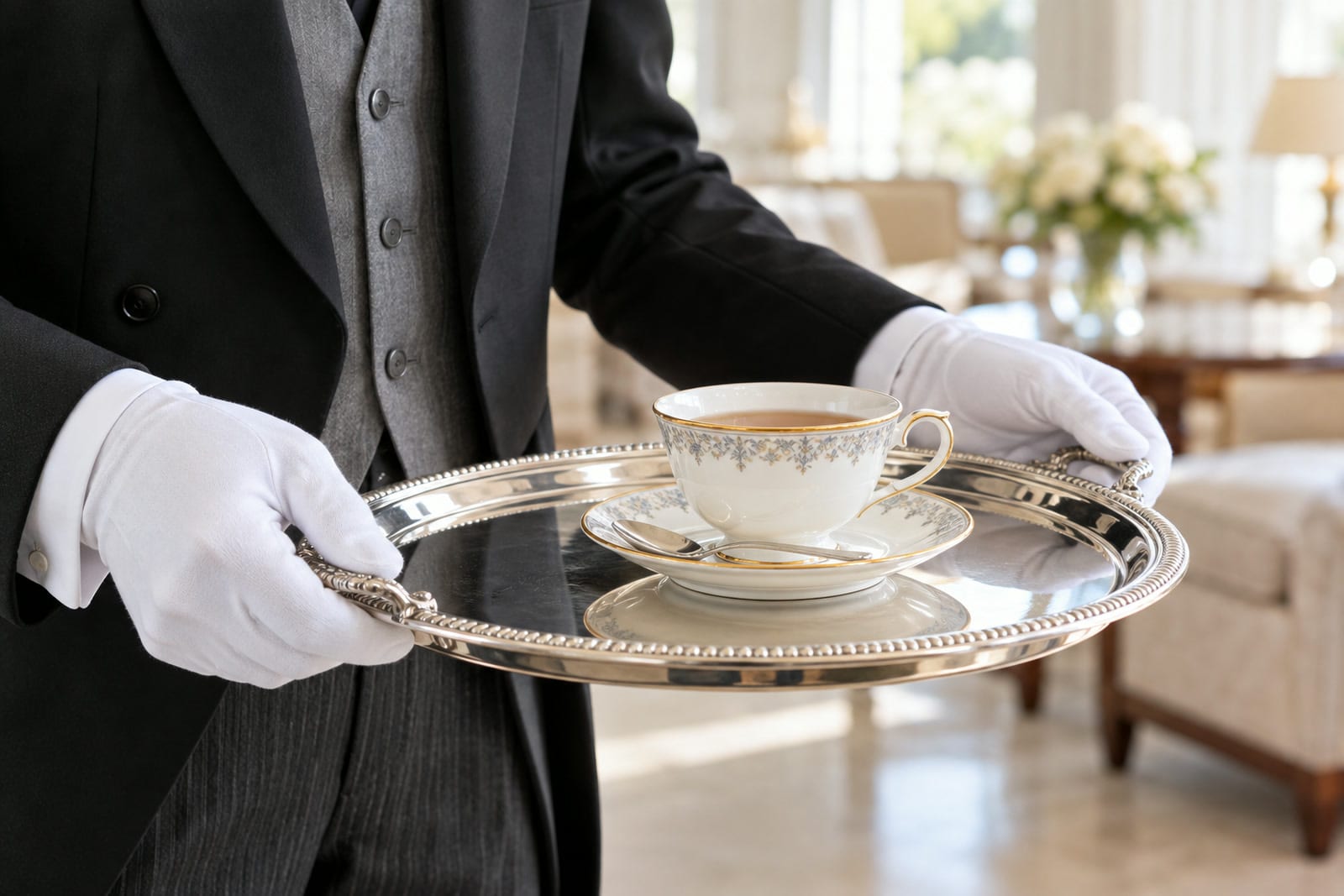
Dress, too, follows the association's clauses: a black morning coat while the sun is up, a tailcoat after dark, and white gloves on whenever a hand reaches for the silver or the table.
What I watch for most at the residence is whether the butlers are moving in order to be seen. The residence is a stage, but the butler is not an actor. The lady's time is the principal; the butler's conduct is the accompaniment. The moment conduct takes the lead, the residence becomes merely a photogenic room.
Working to the letter of the articles is not the same as being stiff. The finer the rules, the less a butler hesitates, and movement without hesitation reads as natural to the person watching. If the air of the residence seems relaxed, it is not because the rules are loose but because they are fine-grained.
Running the residence taught me that most situations are not written in the articles at all. A guest who begins to weep, a guest who falls asleep, a guest who does not appear at the appointed hour — the articles cannot reach that far. Afterwards I always ask the butler what he did, and what can be written is written into the articles, while what cannot is kept as something instructors pass on by word.
The same residence, the same butlers, four entrances. To be served, the salon; to film or meet, the studio; to try the butler's attire, the apprentice experience; to take the residence's designs home, the online shop.
The residence opened to a single party, with a butler under the same roof for as long as the lady is inside. Tea, the table, a book before the fire, a film on the big screen: what to do is hers to decide.
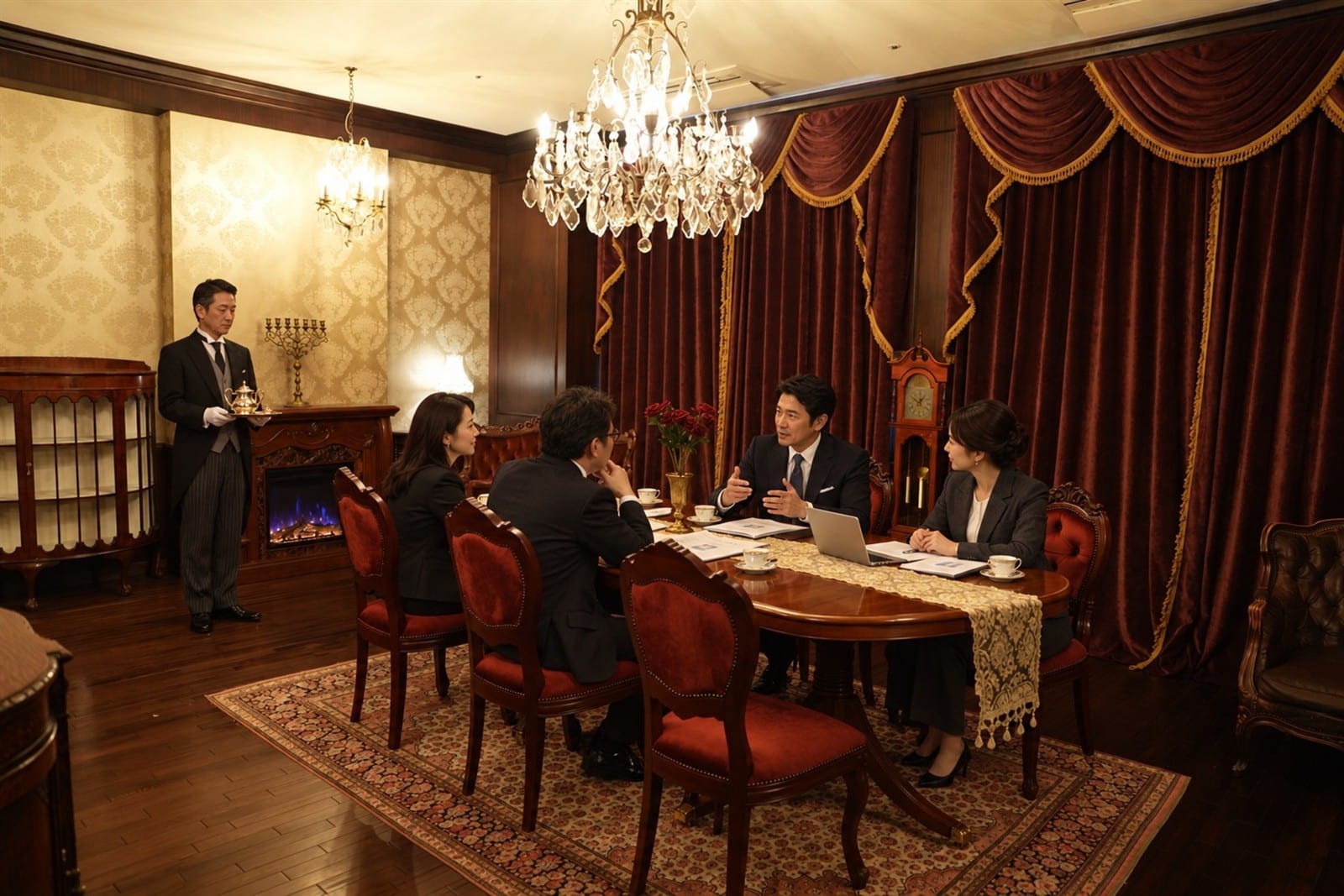
The door through which the residence is lent as a set for filming, a room for a small meeting, a place to confer with a dignitary, or a location for a production. The residence is never lent on its own: a butler comes with it, from reception to service to keeping the proceedings moving.
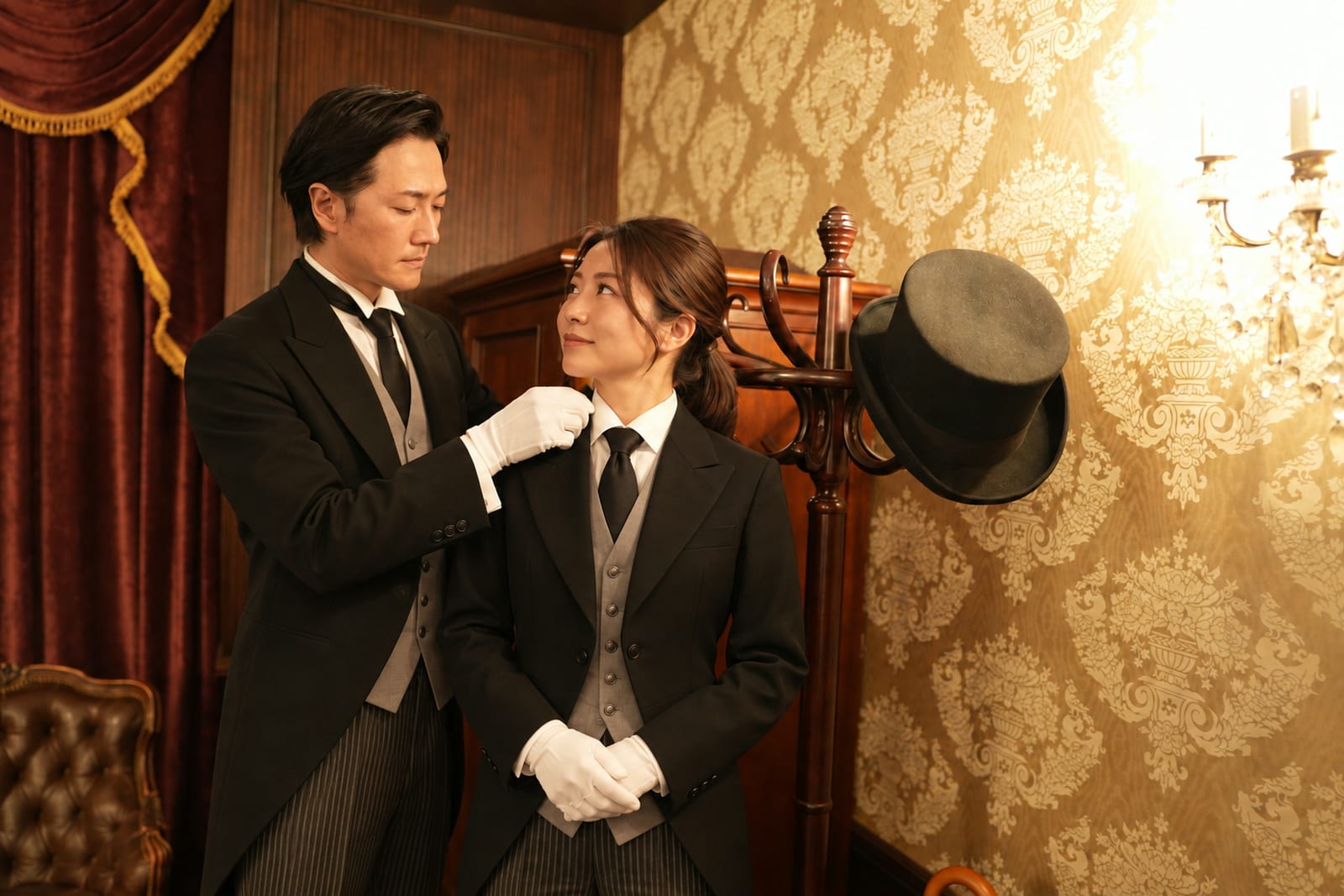
Dressed from head to foot in morning coat, you spend three hours on how a butler stands and bows, how the tea is made, how silver is held and how a table is waited on. A butler stays beside you throughout, and sees you as far as the photograph and the keepsake taken home.
A shop where designs drawn from the residence's crest and furnishings are carried into goods made after each order. You may browse by kind of item or by design; items and conditions are on the official site.
Whichever of the four doors you enter by, a butler is in the residence. We do not lend it by handing over a key. Comings and goings are received by the butler at the door, and the lady is never left alone in the house.
That said, the butler is not talking at your side the whole time. While you read, or while a shoot is under way, the butler retires to the anteroom, a few steps from being called back. The bell on the table is the signal between mistress and butler.
This promise is made not to protect the residence but to protect the lady. In a residence with a butler, even a first-time guest is never lost and never has to mind anyone. That is why the association does not lend the residence unattended.
I am often asked what the butler does while withdrawn to the anteroom: preparing the next tea, listening to the table, checking where the bell stands. Out of sight, but the attention never breaks. The residence's time is held up by the attention of a butler you cannot see.
At reservation we are sometimes asked how much the butler will speak. The answer is: as much as the lady decides. For those who wish to talk, a companion in conversation; for those who wish for quiet, a presence only. One word on arrival, and the butler sets the day's timing.
There is a quieter reason a butler is always present. Someone visiting for the first time does not know what they are allowed to do. With no one there, the hours pass with that uncertainty still held. With a butler there, one sentence dissolves it. The butler is in the residence for the sake of that one sentence.
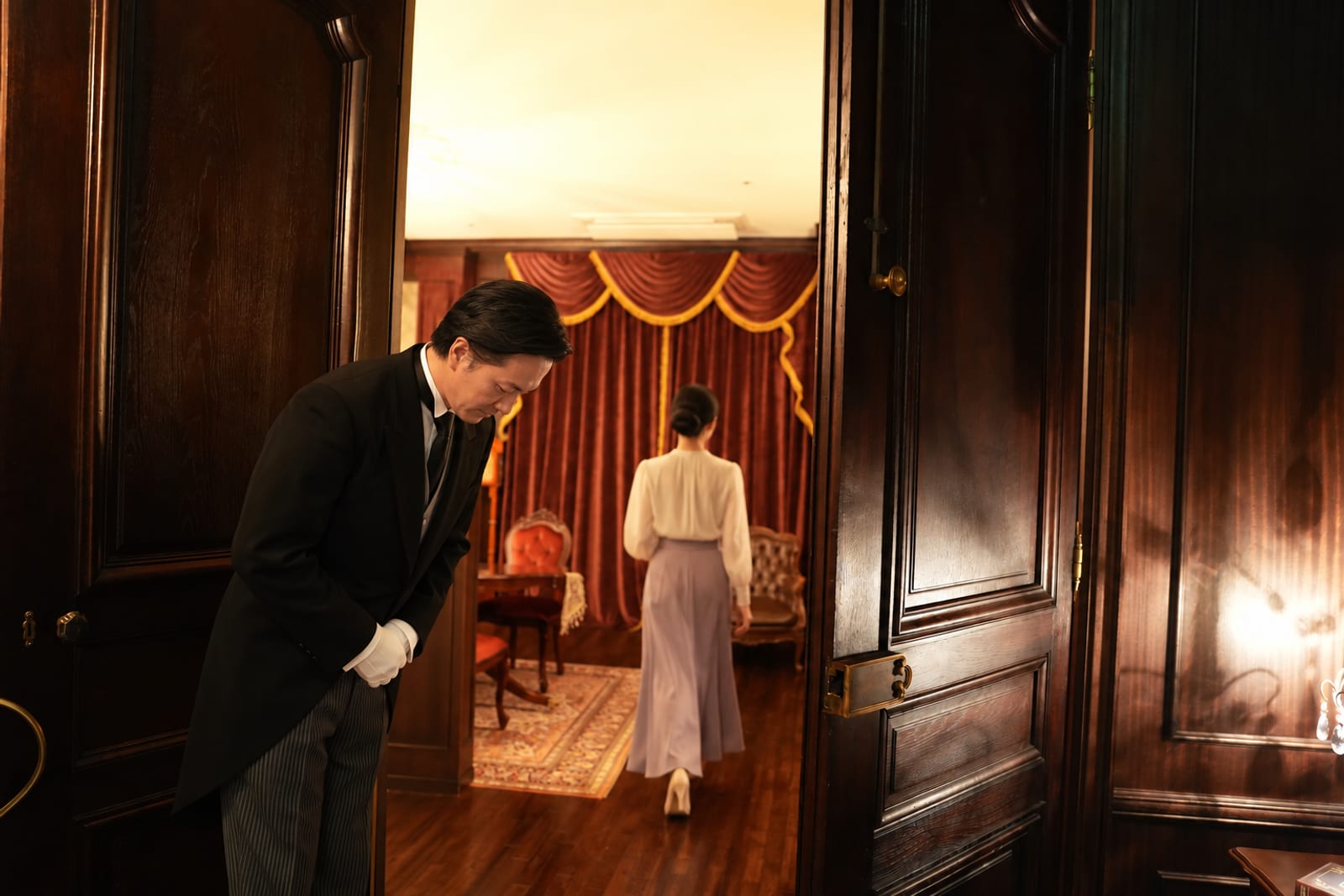
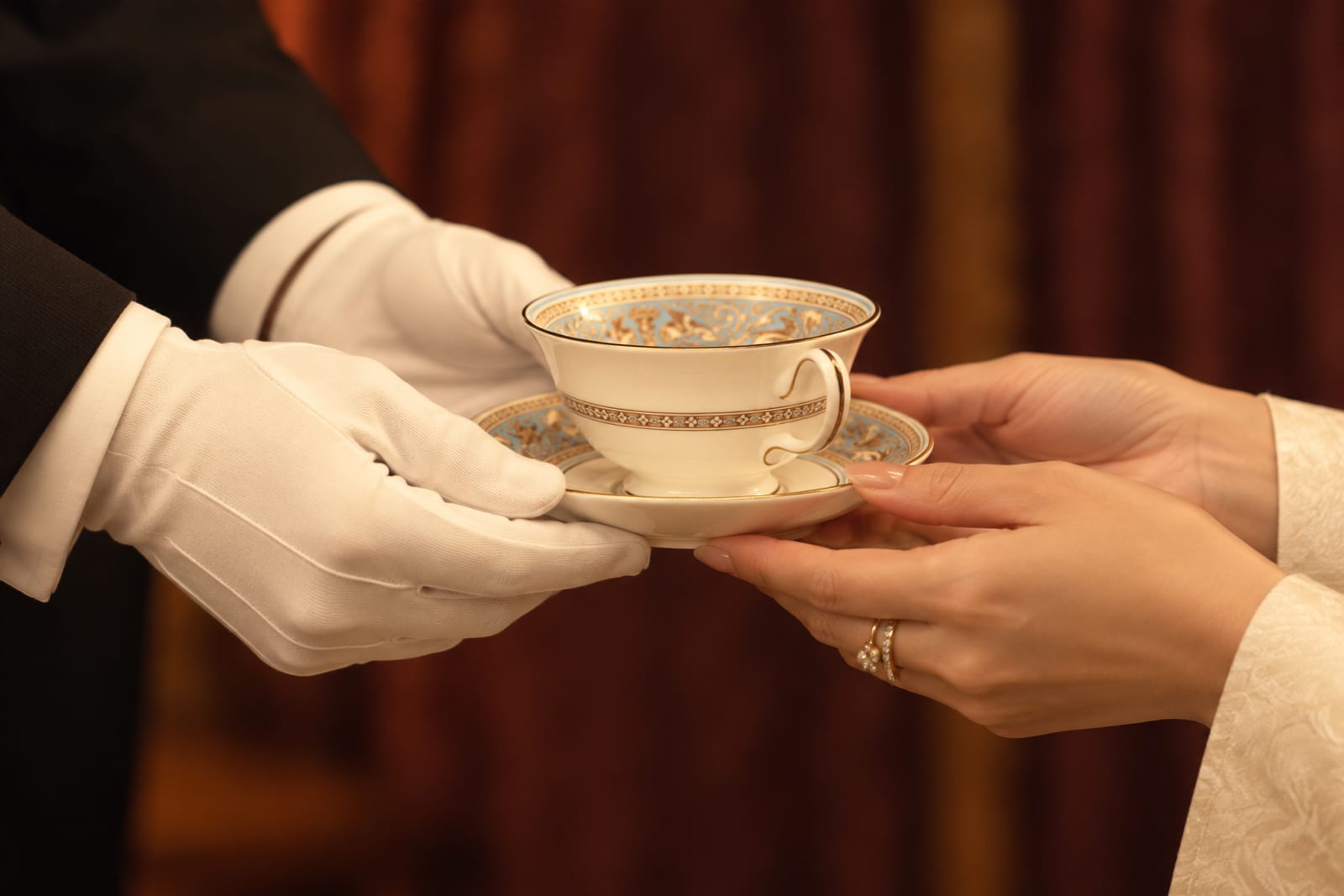
By day the residence's butlers are fixed in a black morning coat, a grey waistcoat and an unpatterned black long tie; from evening this gives way to a tailcoat and white bow tie. No cup or table is ever touched bare-handed; the white gloves are that promise.
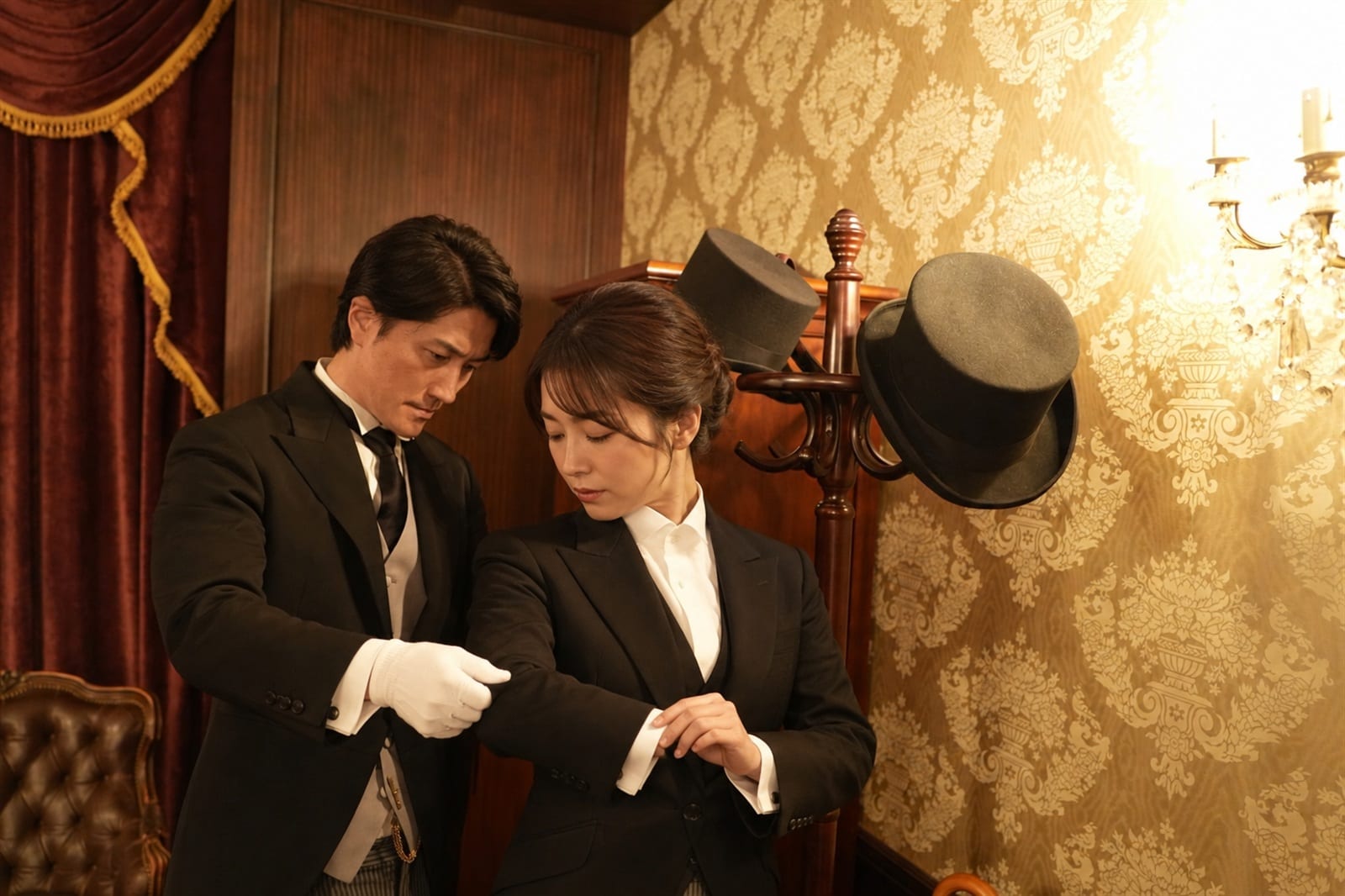
Dress is not decoration. It is the promise by which a first-time guest knows, at a glance, that the person beyond the door is a butler. In the apprentice experience you wear the same attire so that you can feel, in your own body, how dress changes a person's bearing.
The rules of attire are revised in line with the clauses of the association's etiquette. Whenever attire changes, every butler at the residence changes on the same day, so that the residence is the same residence whenever you come. Changes are announced on the official site so that no lady is puzzled by a difference from her last visit.
Guests sometimes ask, kindly, whether the attire is not too warm. A butler of the residence says neither that he is warm nor that he is cold. Keeping the dress intact is not endurance: the moment it slips, the guest becomes the one doing the considering. Sparing the guest that is the purpose of a butler's attire.

Salon, studio or apprenticeship alike, these three are the same. They were settled when the house was opened and have not changed since.
We do not simply lend a key and vacate the building. Arrivals and departures are received at the door, and you are never left indoors by yourself.
The hours you have taken are never overlapped with another booking. Indoors are your own party and the butlers who made ready for it.
The house is a stage, but the butler is not an actor. The moment the craft takes the lead, the house becomes a merely photogenic room.
The residence has four rooms: the dining room with its chandelier and long table; the study with its typewriter and globe; the fireplace lounge for reading and films; and the bedroom for rest. Each is arranged so that furnishings of different ages and origins can be read as one residence.
The butler's role changes with the room: serving in the dining room, assisting with letters and records in the study, films and tea in the lounge, morning tea and the turning-down of the bed in the bedroom. Whichever room the lady chooses, the butler switches to that room's etiquette.
When the lady moves from one room to another, the butler always goes ahead and opens the door; the light and warmth of the next room are set before she rises. The four rooms are designed as a route along which the butler anticipates.
Which of the four rooms you will use is asked at reservation, but you may change your mind on the day. Meaning to write letters in the study and falling asleep by the fireplace instead is a common thing at the residence. The butler is attached to the lady, not to the room.
The lighting is lowered as the hours pass: bright on arrival, a little dimmer for tea, and by the hour of the film the fire in the hearth has become the principal light. Without the guest noticing, the day in the residence is arranged to move towards dusk. The management of light is also part of a butler's craft.
Of the four rooms, the one where guests stay longest is the room with the hearth. Most ask for the dining room when they book, and yet as the day goes on they all move to the fire. Where a person settles is not always the place they pictured. Part of why a butler attends the guest rather than the room is to follow that move.
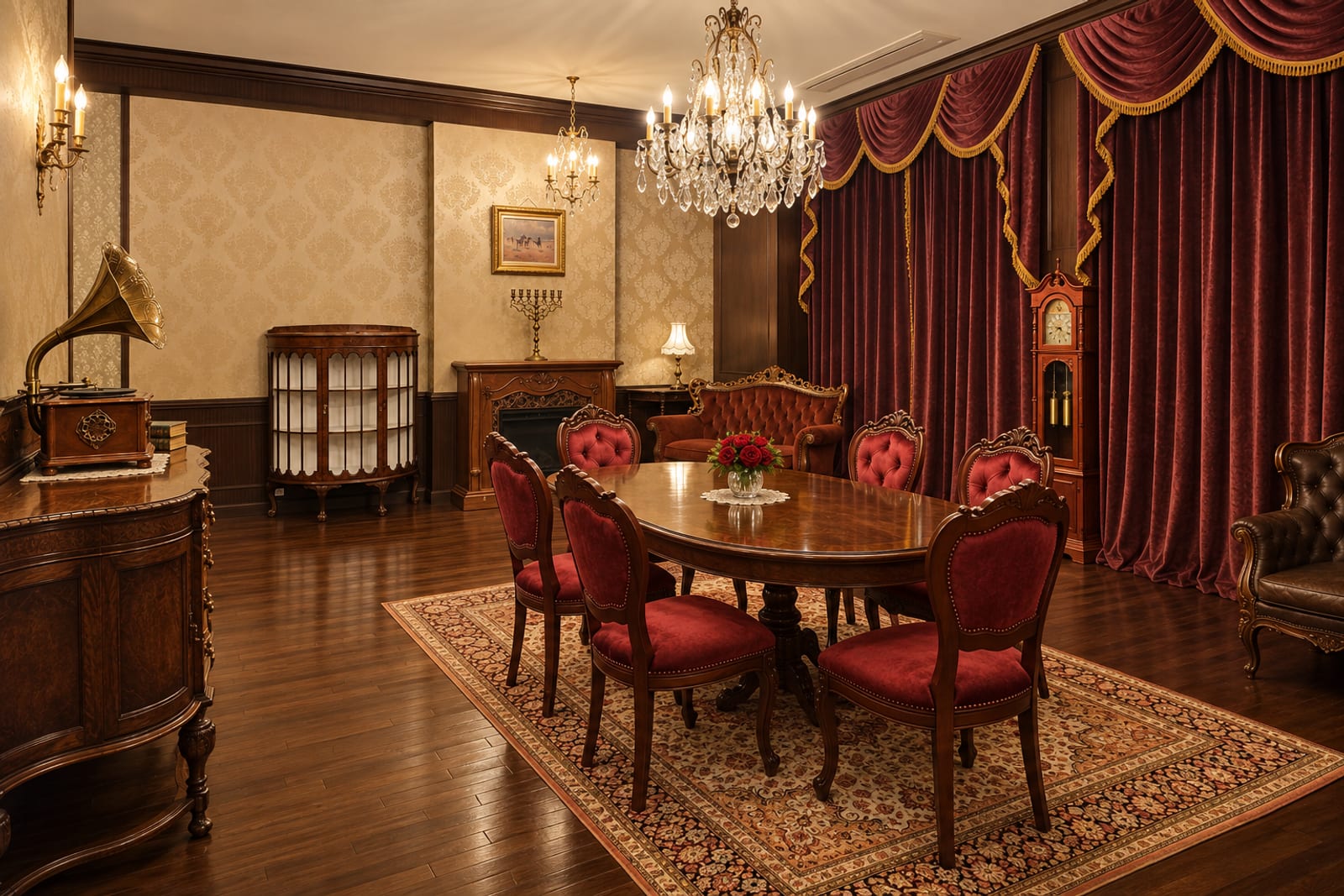
Readers of Butler Bell come to the residence for roughly three reasons: to meet a butler for the first time, to use the residence for filming or meetings, or to learn the butler's path. Here are the three doors.
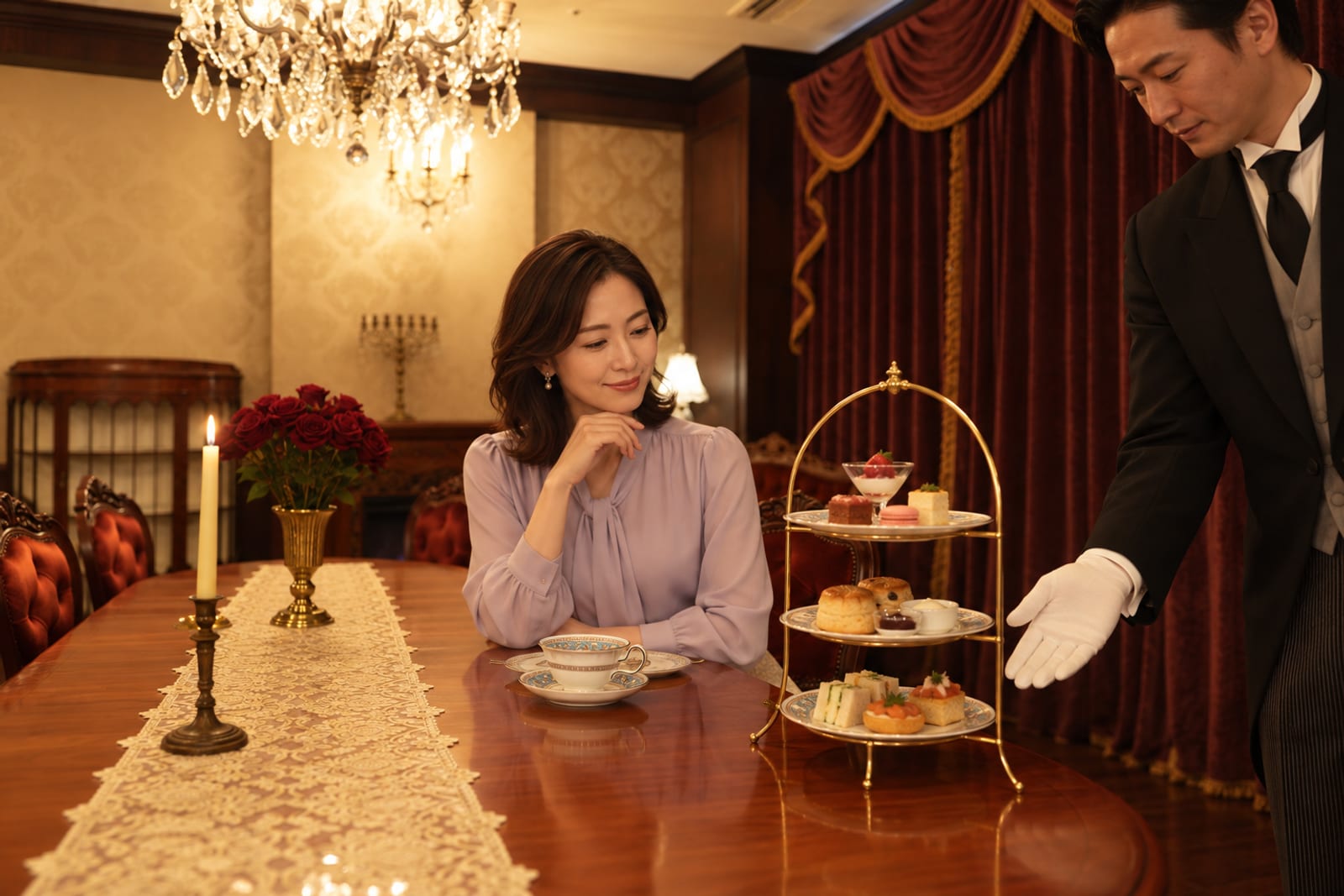
To try the time with a butler before welcoming one into your home, the salon. One afternoon tea shows the outline of the profession.
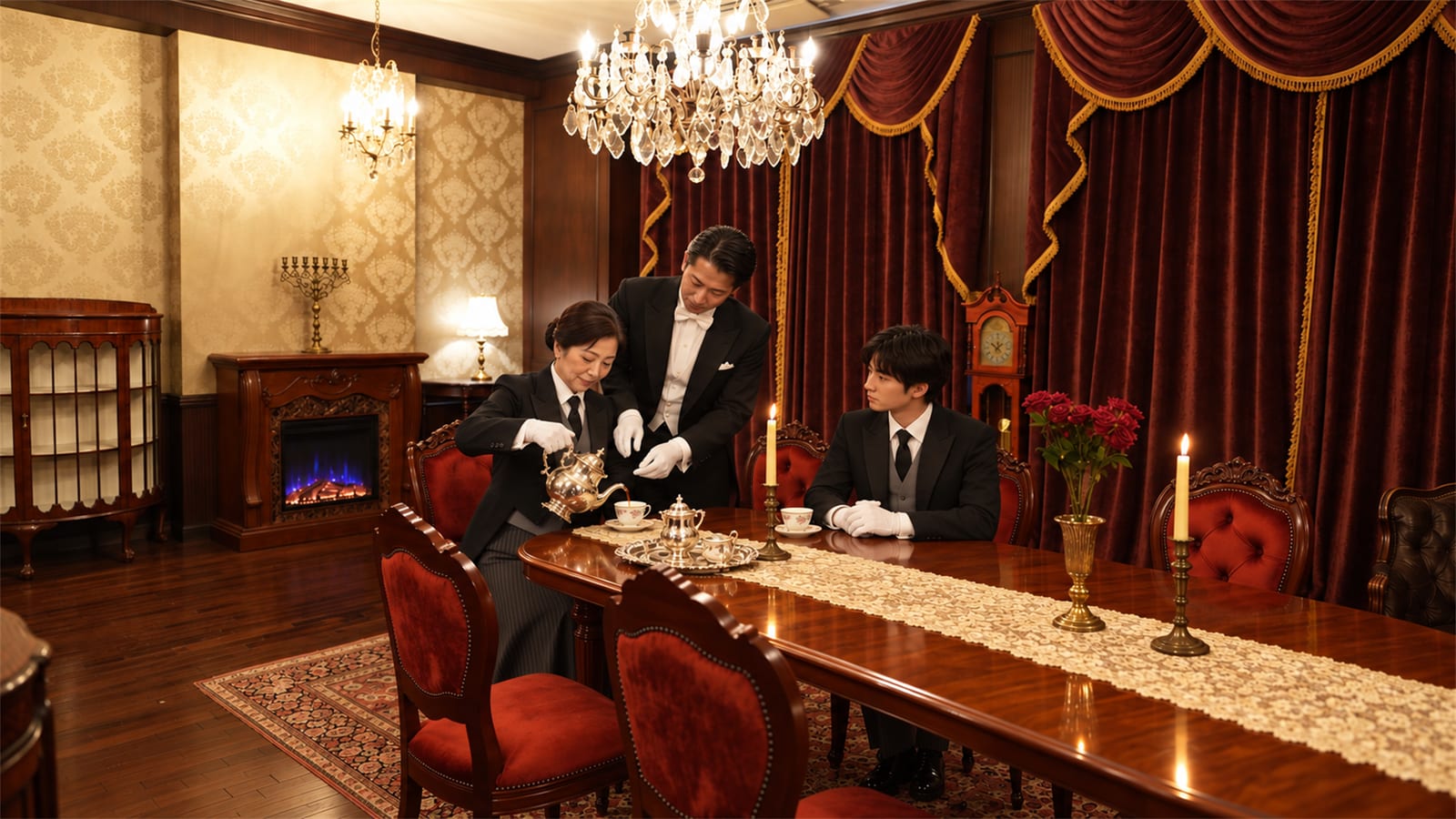
Filming, small meetings, locations: the residence's design and the butler's service become part of the work or the gathering.
Touch the attire and conduct in the apprentice experience, and if you wish to learn in earnest, the Japan Butler Academy; the residence is also the school's classroom.
From reservation to leaving the residence, a day at the salon moves through five scenes, with a butler at your side in each.
Tell us the date, the number of guests and how you wish to spend the time through the reservation desk on the official site; whether the car service is available is confirmed at reservation.
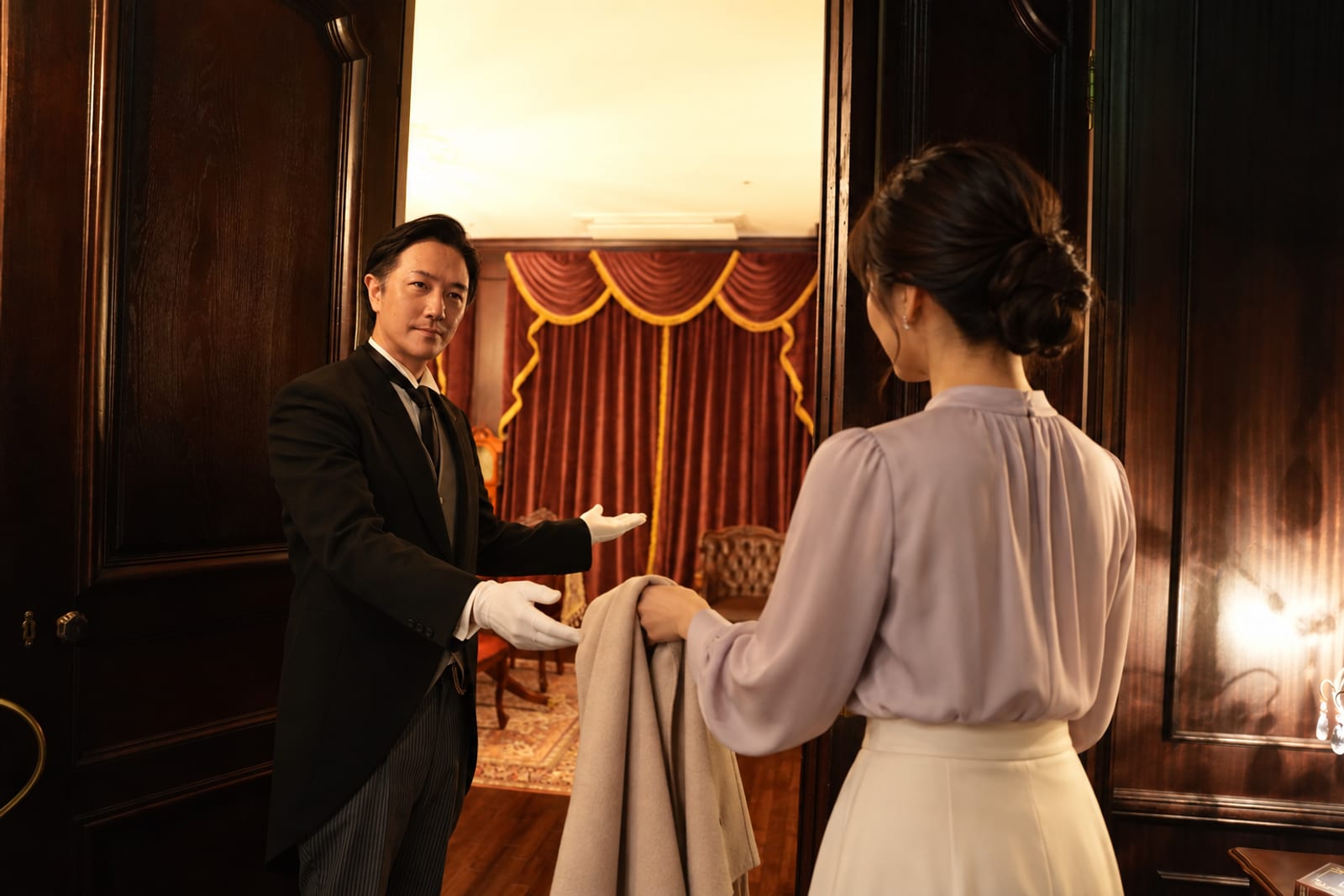
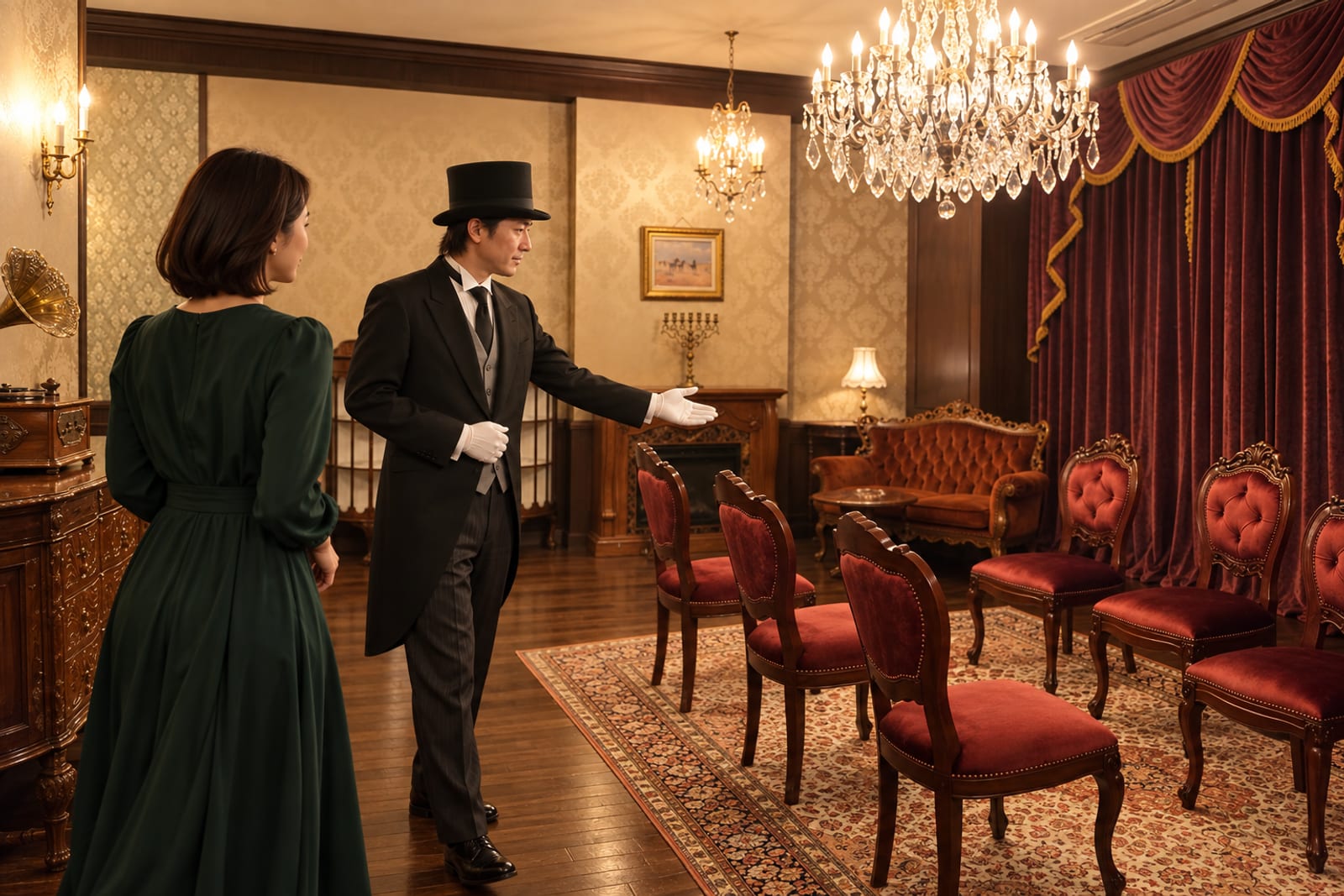
The butler opens the residence door, takes your coat and shows you to the room for the day.
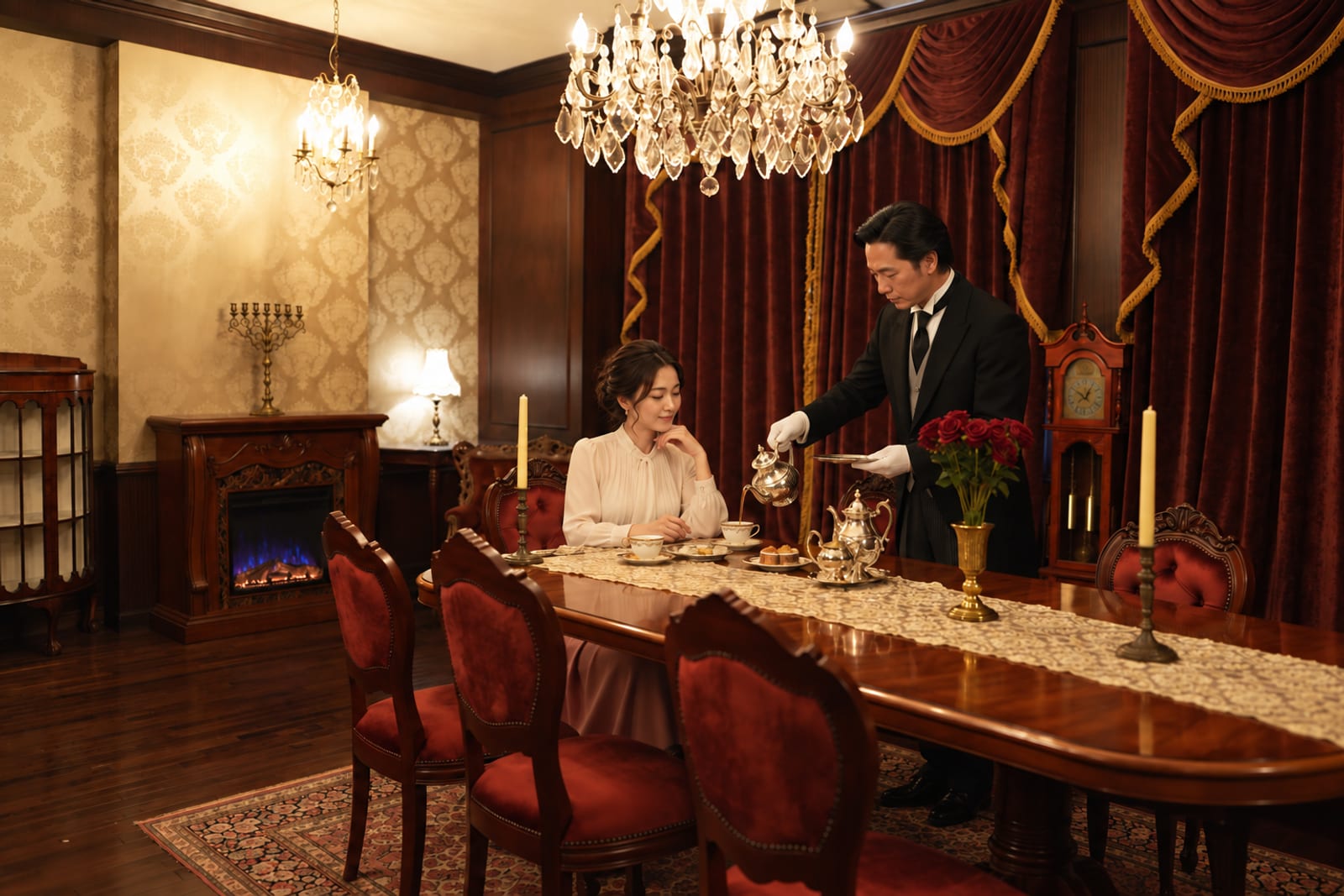
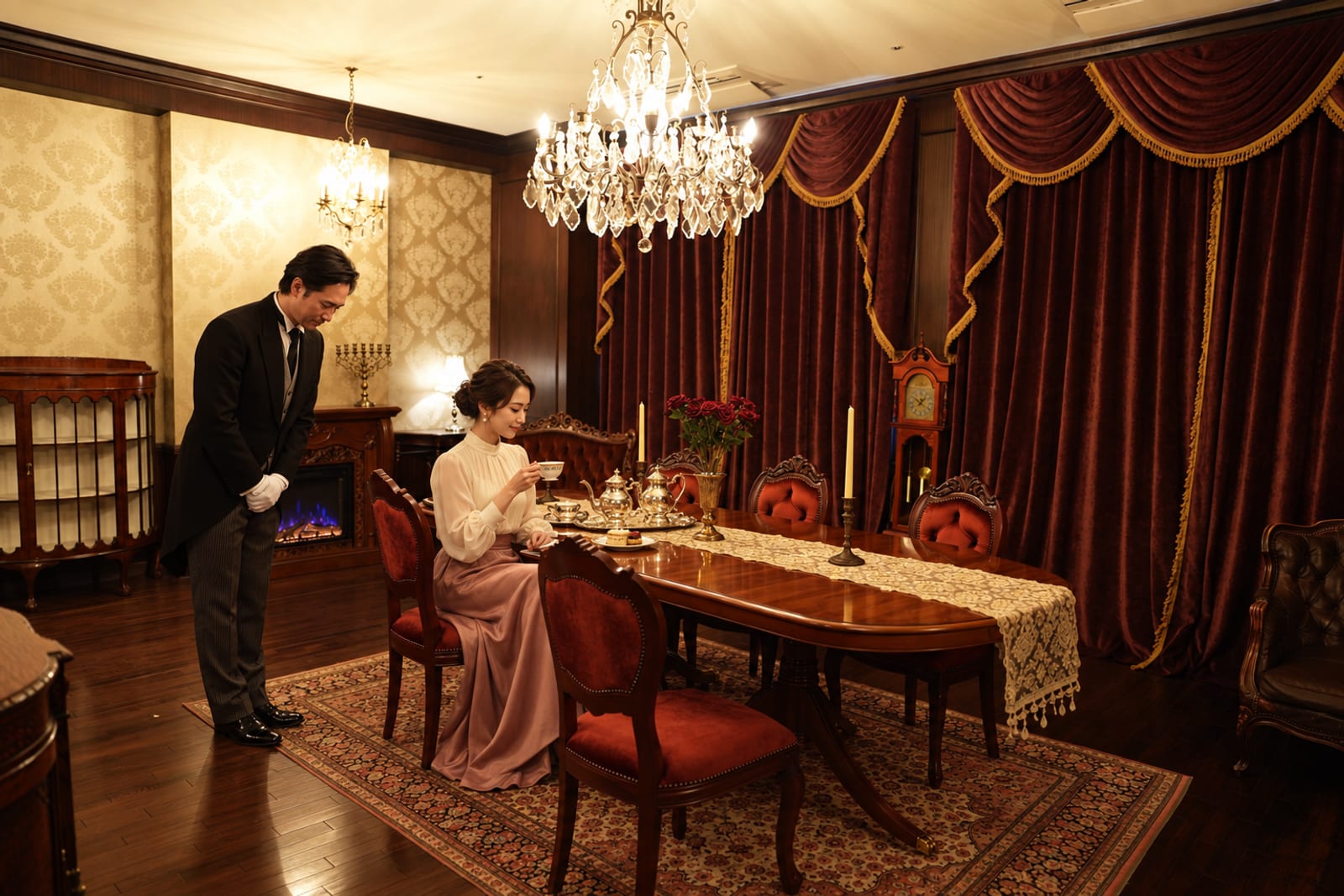
The butler makes the tea and lays the table; food you have brought is plated and served by the butler.
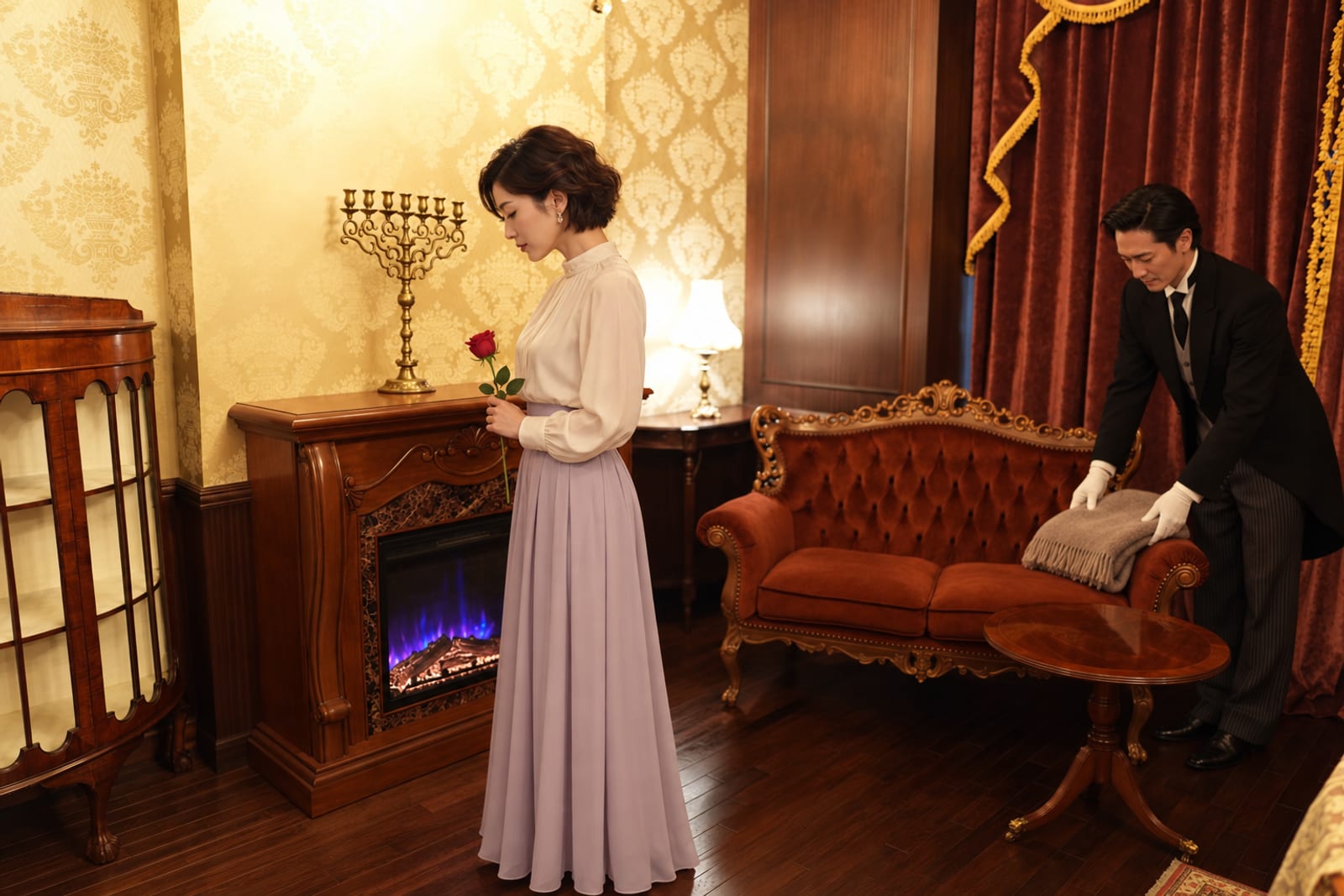
Open a book by the fireplace, watch a film on the 120-inch screen, rest in the bedroom. The butler waits in the anteroom to be called.
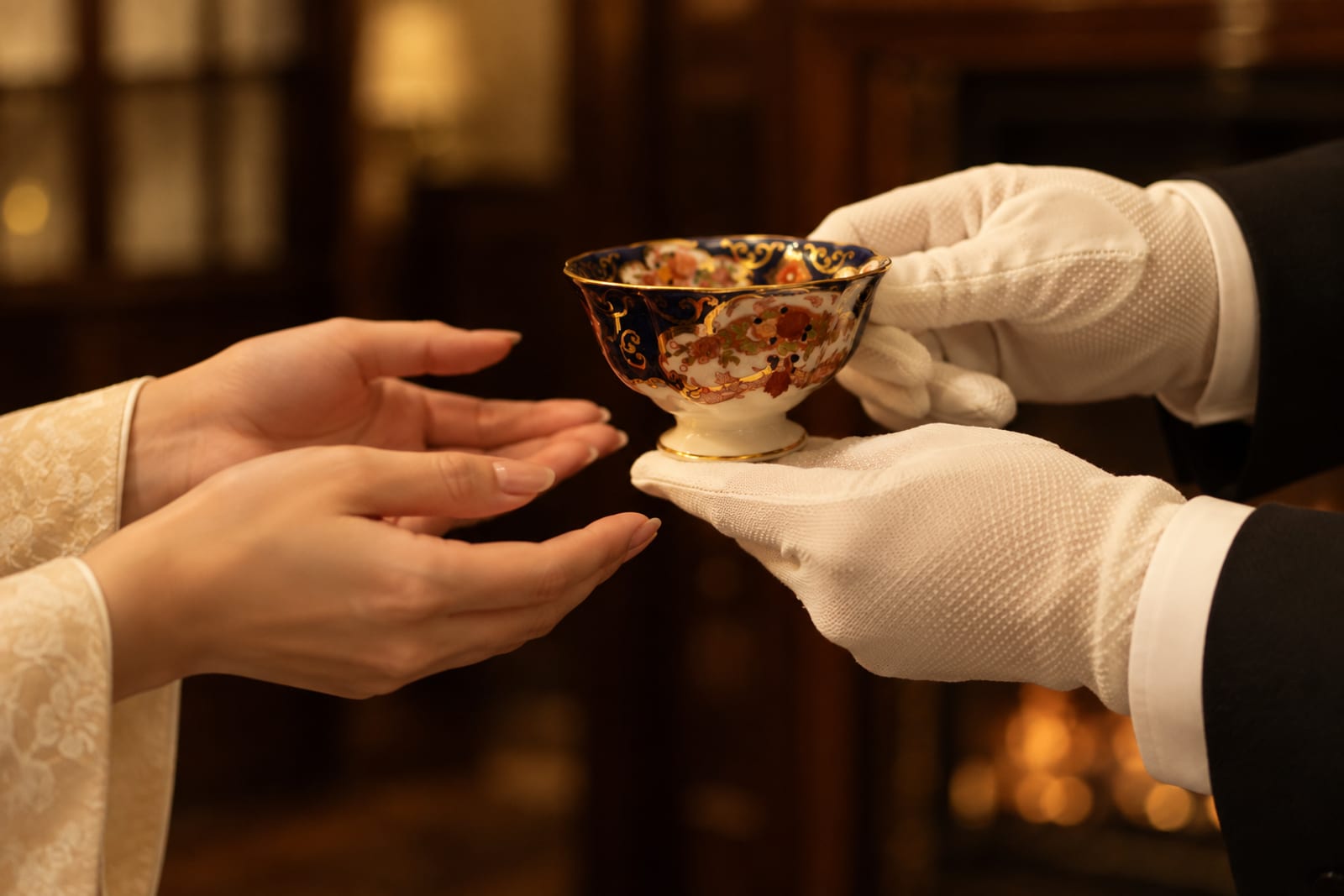
The butler prepares your departure and sees you to the door; this is also where a keepsake is presented.
Depending on the plan, a car service from five points around Odaiba is included. The butler opens the car door and accompanies you to the residence and back to where you wish to be taken. Availability and conditions differ by plan and are explained at reservation.
Outside the residence the butler keeps the same timing as within: half a pace ahead, opening doors, a hand at a step. Time accompanied by a butler in the city is an extension of the residence's time.
The butler rides in the car not to drive but to begin the residence's time before the residence is reached. The bow received as the car door opens is the moment the city's time gives way to the residence's.
What a butler holds to when walking through the streets is pace. To stay half a step ahead he must keep matching the other person's stride. As with the intervals kept indoors, outside too the butler is matching. A butler who cannot match a stride will also anticipate too much inside the house.

The house is a stage, but the butler is not an actor. The guest's hours lead and the butler's craft follows. The moment the craft takes the lead, the house becomes a merely photogenic room.
The butlers who stand in the residence are the same people who stand in THE BUTLER's field: certified by the association, in the same attire, serving by the same etiquette. If THE BUTLER is the business that brings a butler to your home, Queen's Butler is the business that invites you to where the butlers are.
If, having been served at the residence, you think you would like this at home, THE BUTLER's desk is the place; if, having touched the attire, you think you would like to become one, the Japan Butler Academy. The residence is also the entrance to all the association's businesses.
The residence matters to the butlers too. THE BUTLER's field is the client's house, where a butler has no place of their own. The residence is also the association's rehearsal room, where butlers refine their conduct at the mistress's side. In the hours when no guest is received, the butlers watch one another's conduct there.
The residence has also changed how butlers grow. In a client's home there is little room to recover from a mistake. Here the same scene can be set up again and again. During the hours when no guest is being received, the residence becomes the strictest classroom the association has.
When butlers change over at the residence, the one going off duty always tells the one coming on how the guest has been that day. It would seem enough to write it down, but most of it cannot be written: the tone of voice, whether conversation is wanted, which chair was chosen. Because that handover happens, a guest never has to explain themselves twice when the butler changes.
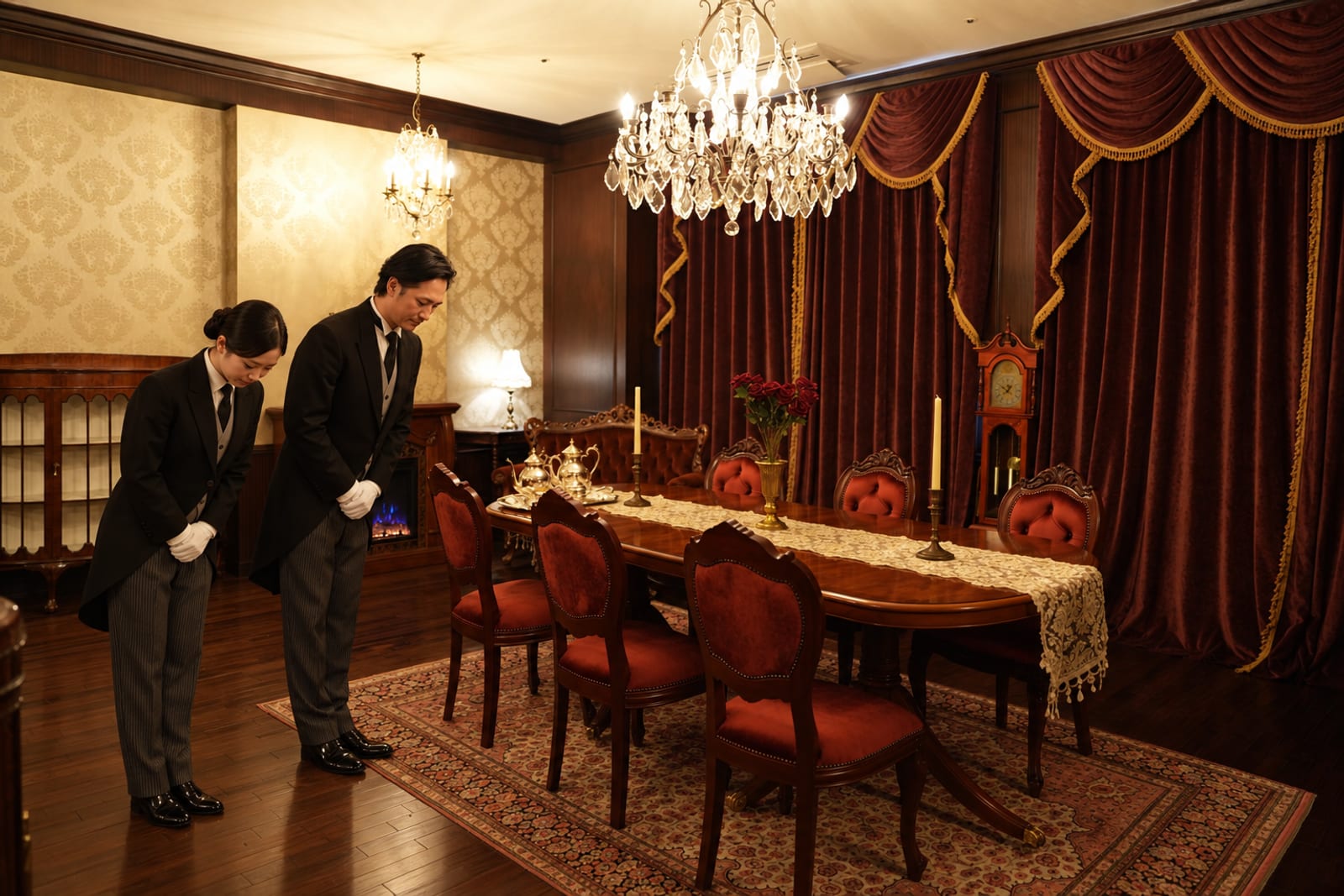
The residence occupies part of a building at Aomi 2-chome, Koto-ku, Tokyo. Under the same roof are the association's offices, the desk of THE BUTLER and the classrooms of the Japan Butler Academy. The residence cannot be seen from outside; it appears only when the door is opened.
That the residence is inside a building is something I rather like. Open the door of an ordinary city building and a residence from another age appears; that very drop is the beginning of the residence's time. The exterior of the building is shown on the official site, so first-time guests may use it as a landmark.
To protect the surprise of the moment the door opens, few photographs of the interior are published. See everything before arriving and the astonishment of the first step is spent. The guidance may seem sparse; that is not unhelpfulness but a manner of the house.
2-7-4 Aomi, Koto City, Tokyo
By reservation only; one to six guests.
You may bring your own; the residence does not serve meals.
From five points nearby, depending on the plan; confirmed at reservation.

How the time is spent is the lady's to decide. Three common ways follow. What the three have in common is that they are not a time in which the lady has something done for her, but a time in which she need do nothing. In a residence with a butler, the task of thinking what comes next passes to the butler. An afternoon without having to think is what the residence offers.
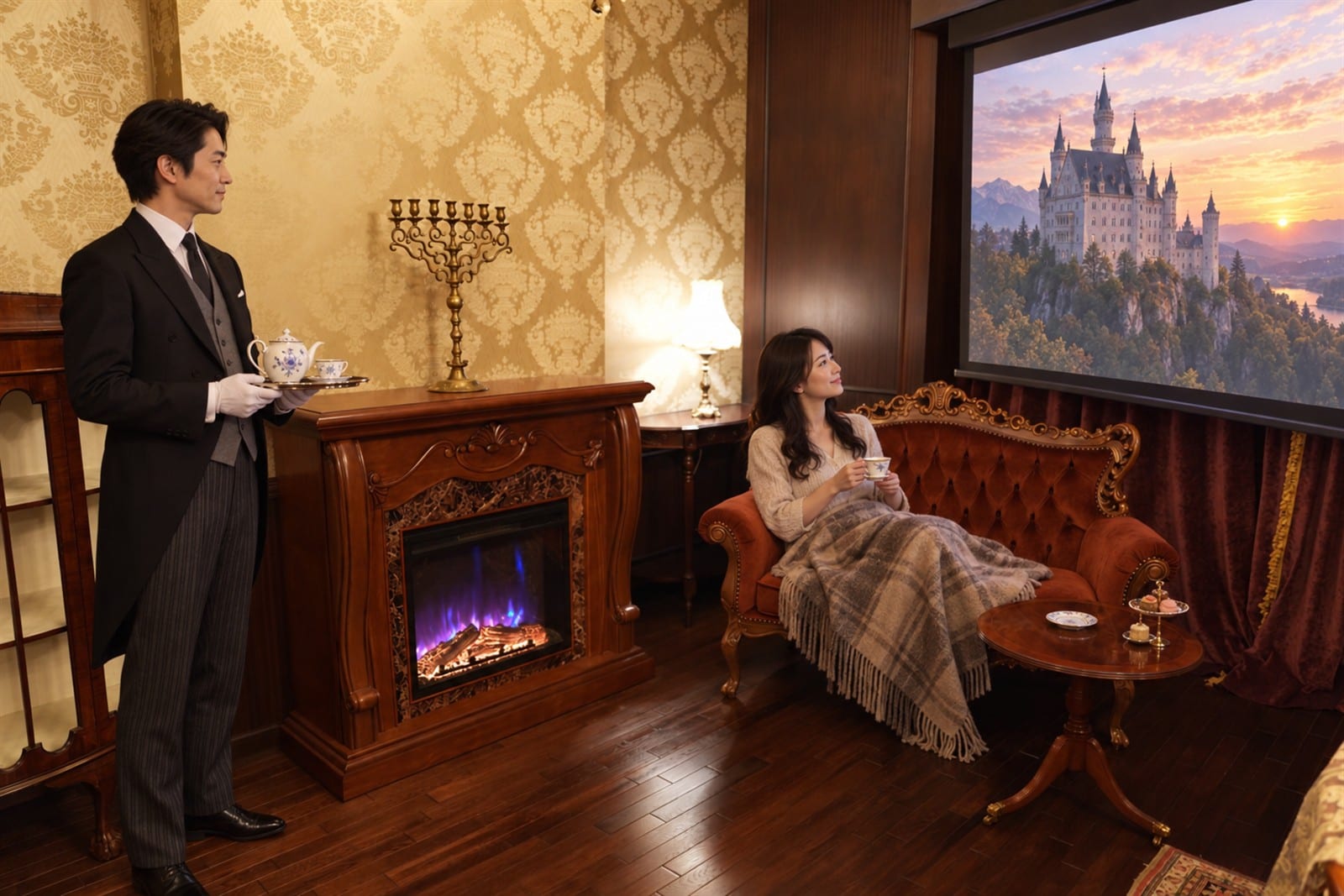
One film on the 120-inch screen. The butler makes the tea and lowers the lights, and withdraws to the anteroom while the film plays.
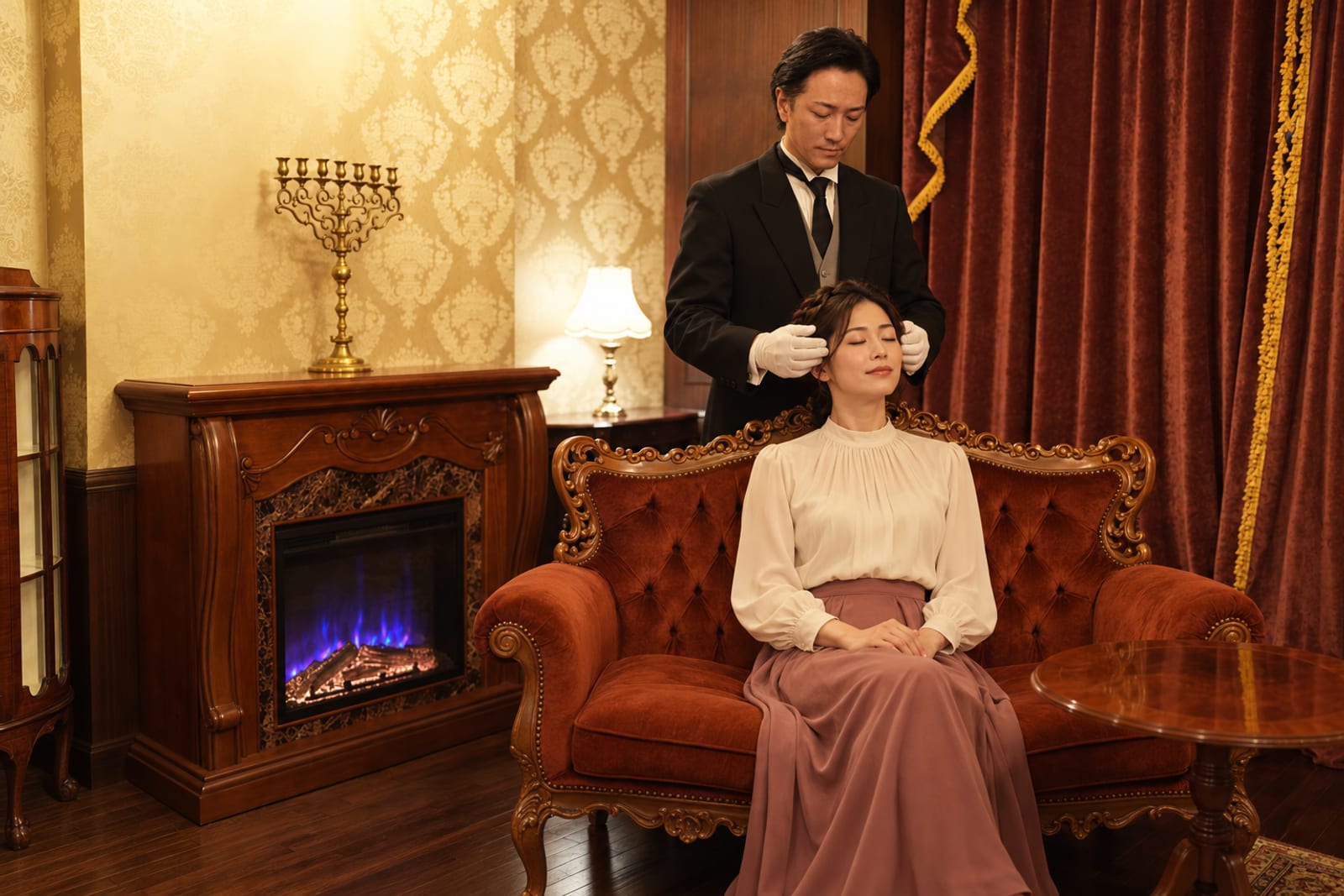
Wrapped in a blanket on the lounge sofa, or lying down in the bedroom. One ring of the bell brings the butler. A time in which no one need be minded.
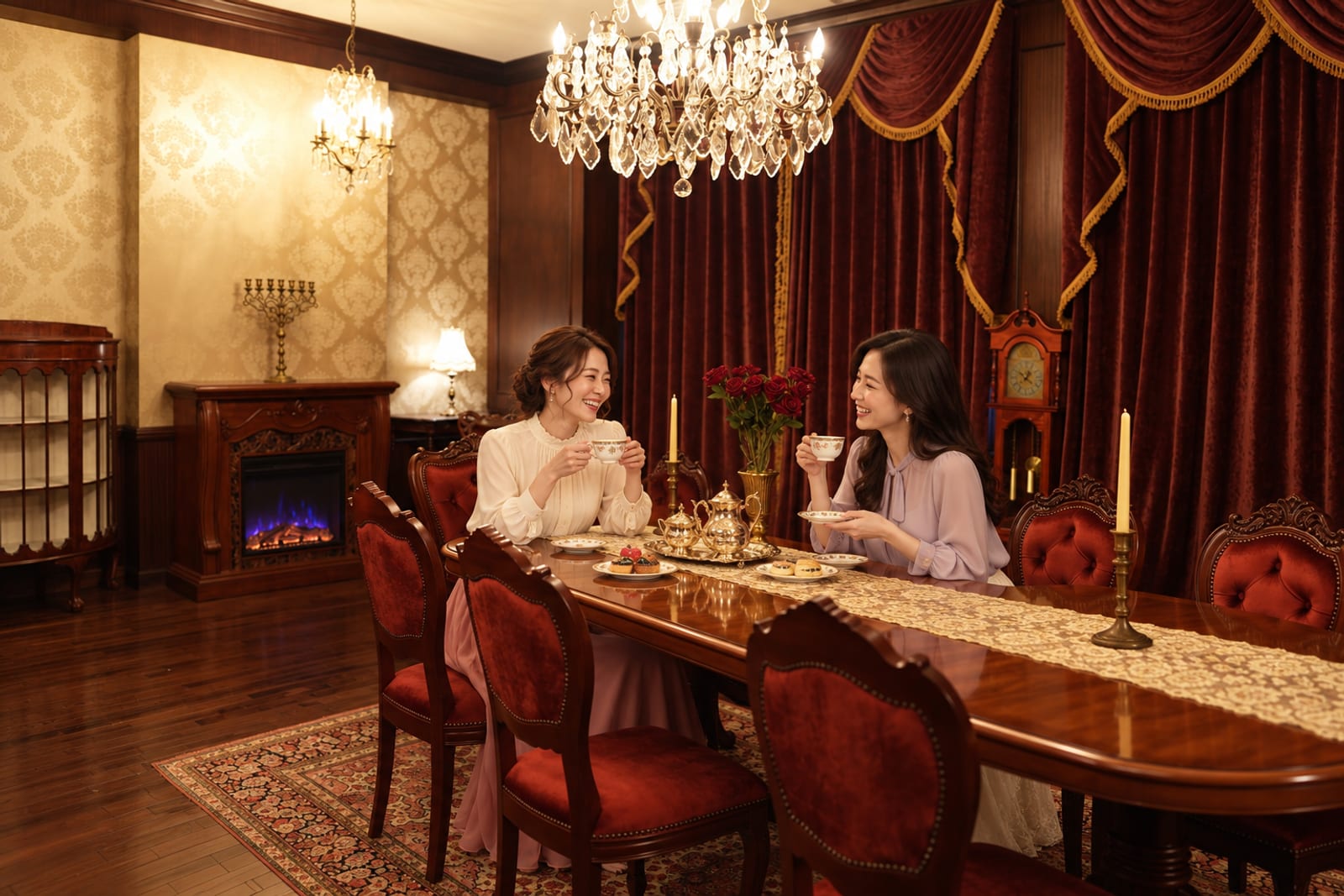
Up to six guests. The butler plates the food you have brought and takes the photographs. The residence becomes, for a day, a stage shared with friends.
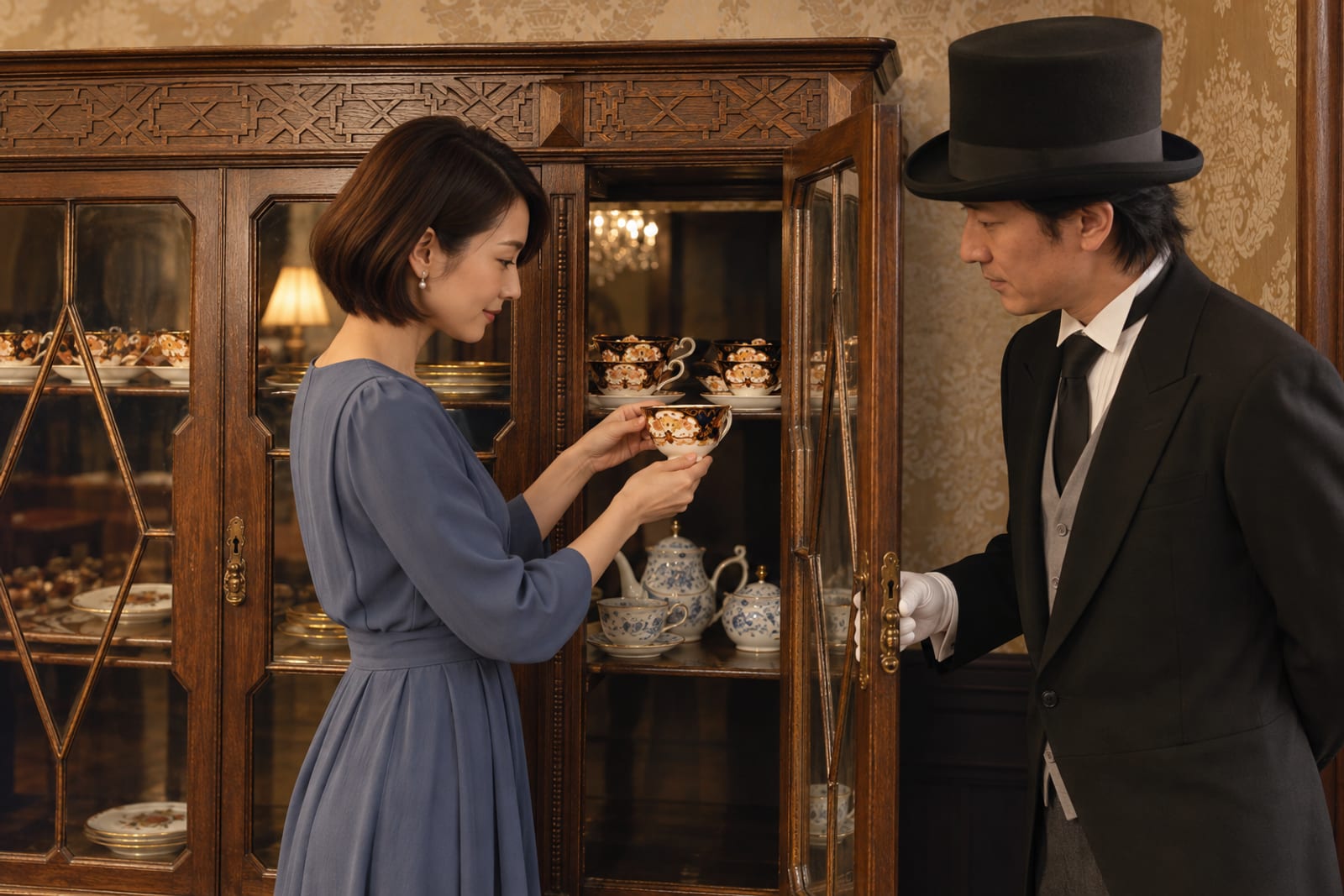
The residence's furnishings gather pieces of different ages and origins. The silver and porcelain may be held under the butler's guidance, after you have watched them handled in white gloves; the armour and the hall clock are handled by the butler alone. Keeping the distance between what may be touched and what may not is itself part of the butler's work.
If I may add one thing as head: the residence's pieces are not exhibits. They are tools with meaning only in use. That is why the butler is there, to protect the pieces while letting you use them. Reconciling the two is the residence's etiquette.
Each piece of furniture has its story, and the butler tells it when asked. Not telling too much is also etiquette: a butler who begins to speak unasked shifts the lead of the residence onto himself.
When choosing the furnishings I do not choose by price. I choose by whether a thing can go on being used. Taken up, wiped, put away — only what survives that repetition stays in the house. The furnishings do not look aged because they are used every day.
The care of the pieces is done on the mornings when no guest is expected: the silver polished, the ash cleared from the hearth, the sound of the clock checked. Because those hours exist, the house is in the same condition every time the door opens. Only a small part of the manners of this house is visible to a guest; the rest is built up on mornings no one sees.
Fees, the terms of the car service, the finer rules of each service and reservations all go through the Queen's Butler official site. What is written here is an introduction by the one who set up the residence; the terms there are the authority.
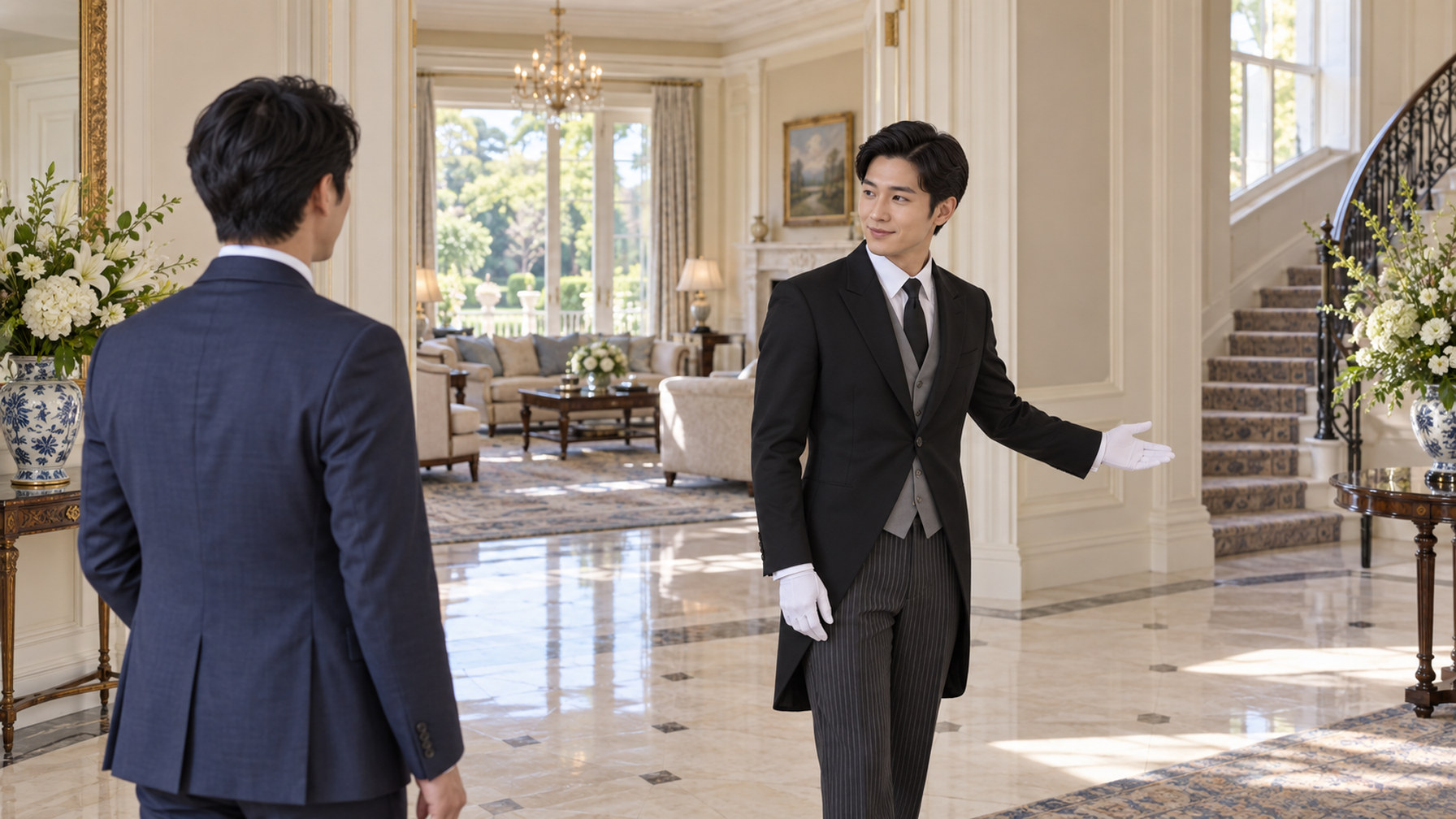
The butler service run by the All Japan Butler Association. Choose, by name and face, the one butler who suits your household or your business.
Learn more →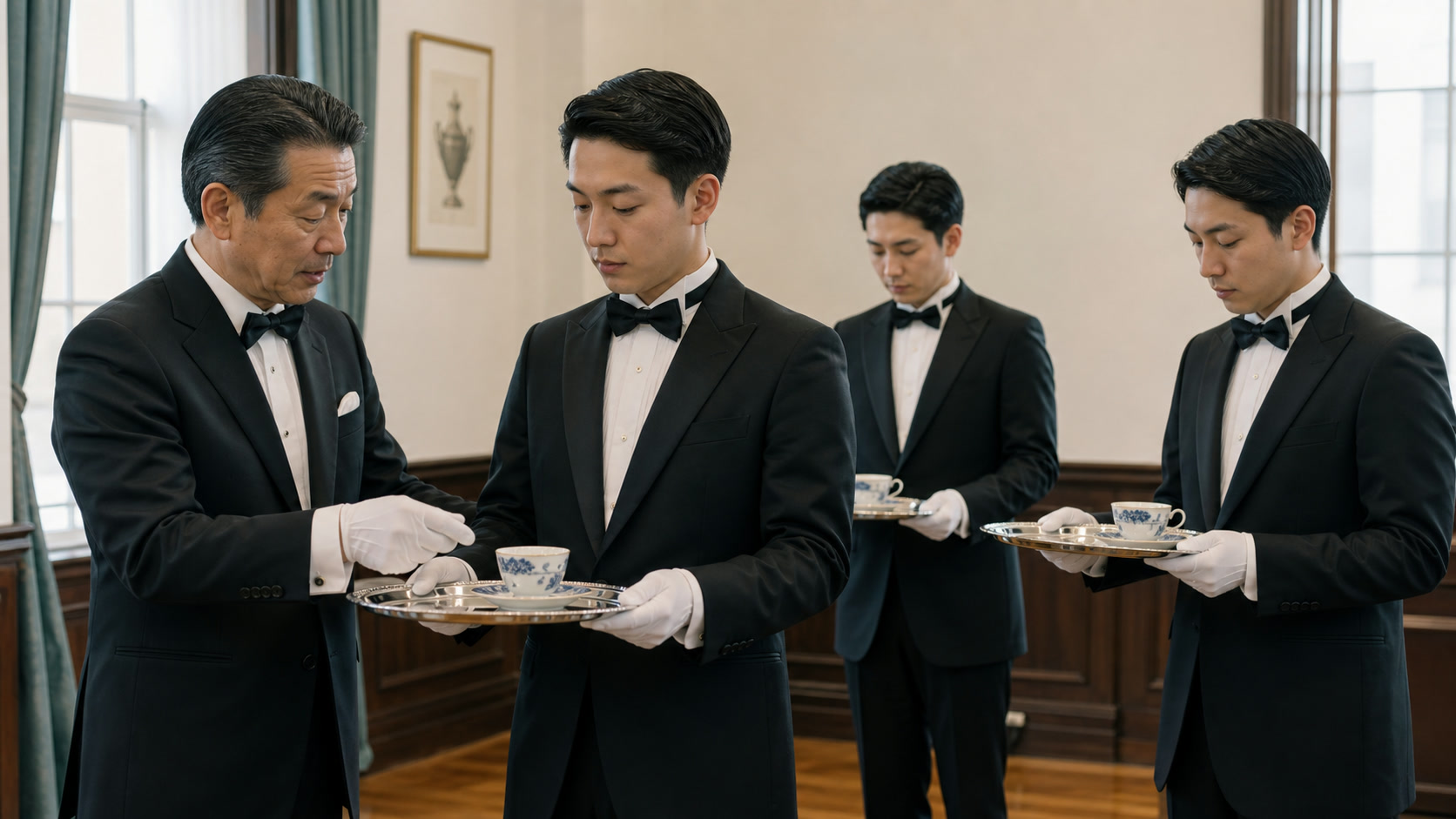
Founded in 1890: the parent body that trains butlers, recognises them by a standard and gives them rank. The academy, the residence in Odaiba and the butler service itself are all run by this one body.
Learn more →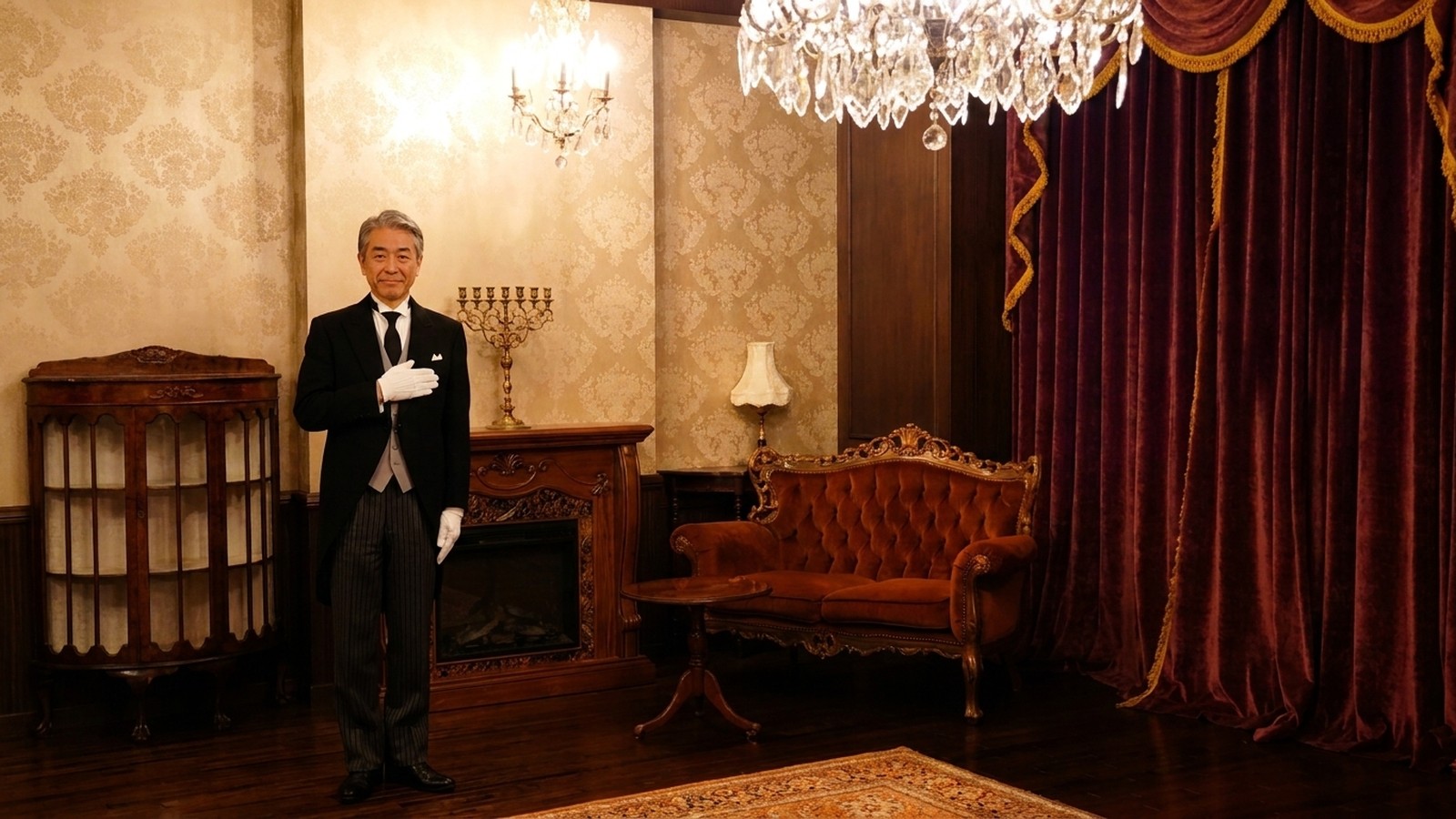
A school for becoming a butler, kept by the All Japan Butler Association. Weekend classes at the Odaiba campus in three courses, with the association's certification for those who pass the practical examination at the end.
Learn more →If you are unsure which desk to approach, Butler Bell will point you to the right one.