
The Queen's Butler residence is never lent out unattended, whatever the service. No key is handed over; a butler is there as you come in and as you go out; nobody stays inside alone. The rule protects the furnishings, and it keeps the butler's work of receiving, asking, arranging, waiting and seeing off from ever being broken. From the head's chair, this is my account of its rooms and furnishings, and why a butler is always there.
The hours of the residence begin because someone opens the door
A house with a butler is not a space used with a key; it is a place where the work of receiving, asking, arranging, waiting and seeing off goes on.
Never lending the house unattended is the most fundamental rule of Queen's Butler. With a butler inside the door there is someone to bow as you come in, someone for your bags, someone readying the next room. In the salon, in studio, apprentice experience, alike never proceed without a butler. There are male and female butlers, and the assignment is arranged to suit the purpose, how many guests there are and who is on duty. Services at the residence take up to six.
He does not always speak
The butler is not forever in the conversation. While you read alone, while a shoot proceeds in silence, while a meeting demands concentration, the butler retires to the anteroom or the far side of the door, within earshot. If a butler goes out with you, the house is locked and emptied before you set off. A late-night stay is a one-guest arrangement of the salon, and even then the butler remains in the house all night.
Three promises that never change
Guests are never left alone inside. No key is handed over. The bed is a fixture for training butlers. These hold for every service.
First: guests are never left alone in the house. Late-night stays included, the butler keeps within call. Second: no key leaves the house. Arrival and departure are attended by the butler, who keeps the doors and the furnishings throughout; the house alone, without a butler, is not offered under any service.
The bed is training equipment
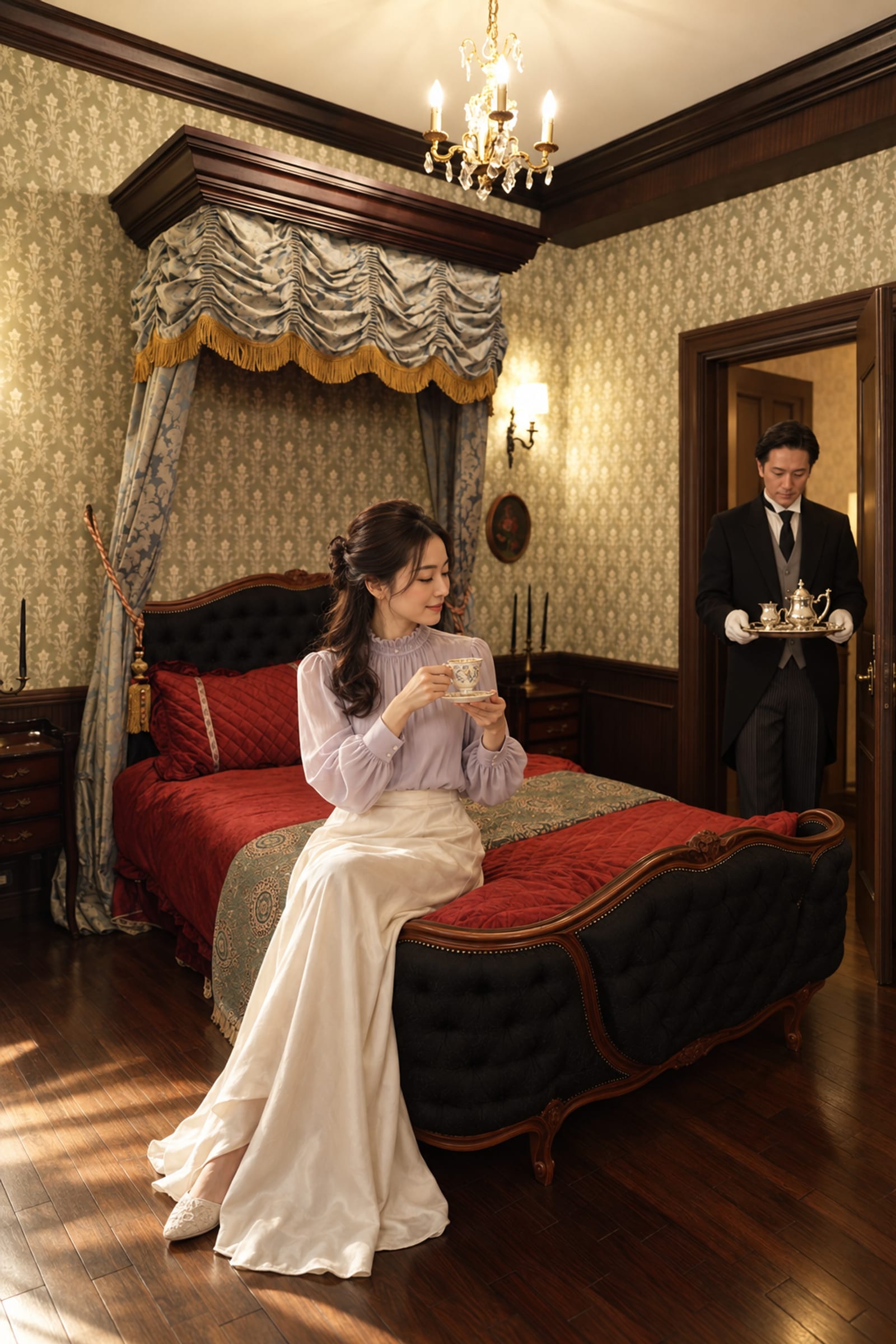
Third: the standing of the bed. The bedroom's corbeille bed, French work of the nineteenth century, is a fixture for rehearsing bed-making, and guests may rest on it during a visit. The house is kept as a place to experience a butler's service, not as somewhere to live overnight. The purpose of use, the presence of the butler, the keeping of the key and the treatment of the bed are all set out in the terms of use.
Never unattended
One party only
The bed is equipment
The rooms, the furnishings, and what may be touched
Dining room, study, fireside lounge, bedroom, corridor. Furniture, lighting, silverware and china that have seen many years, introduced by the butler in the order in which they are handled.
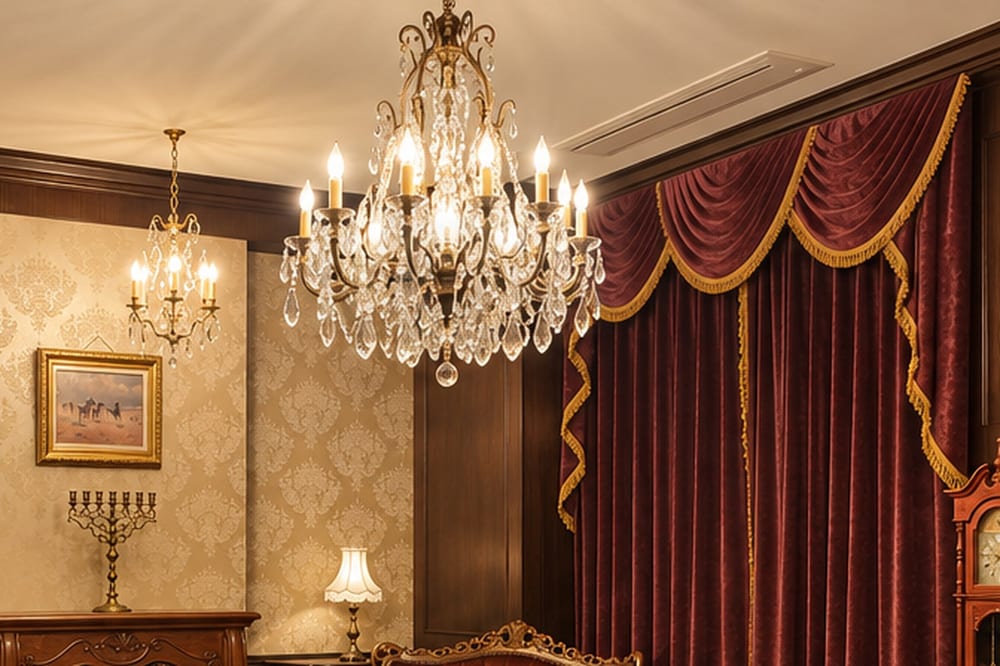
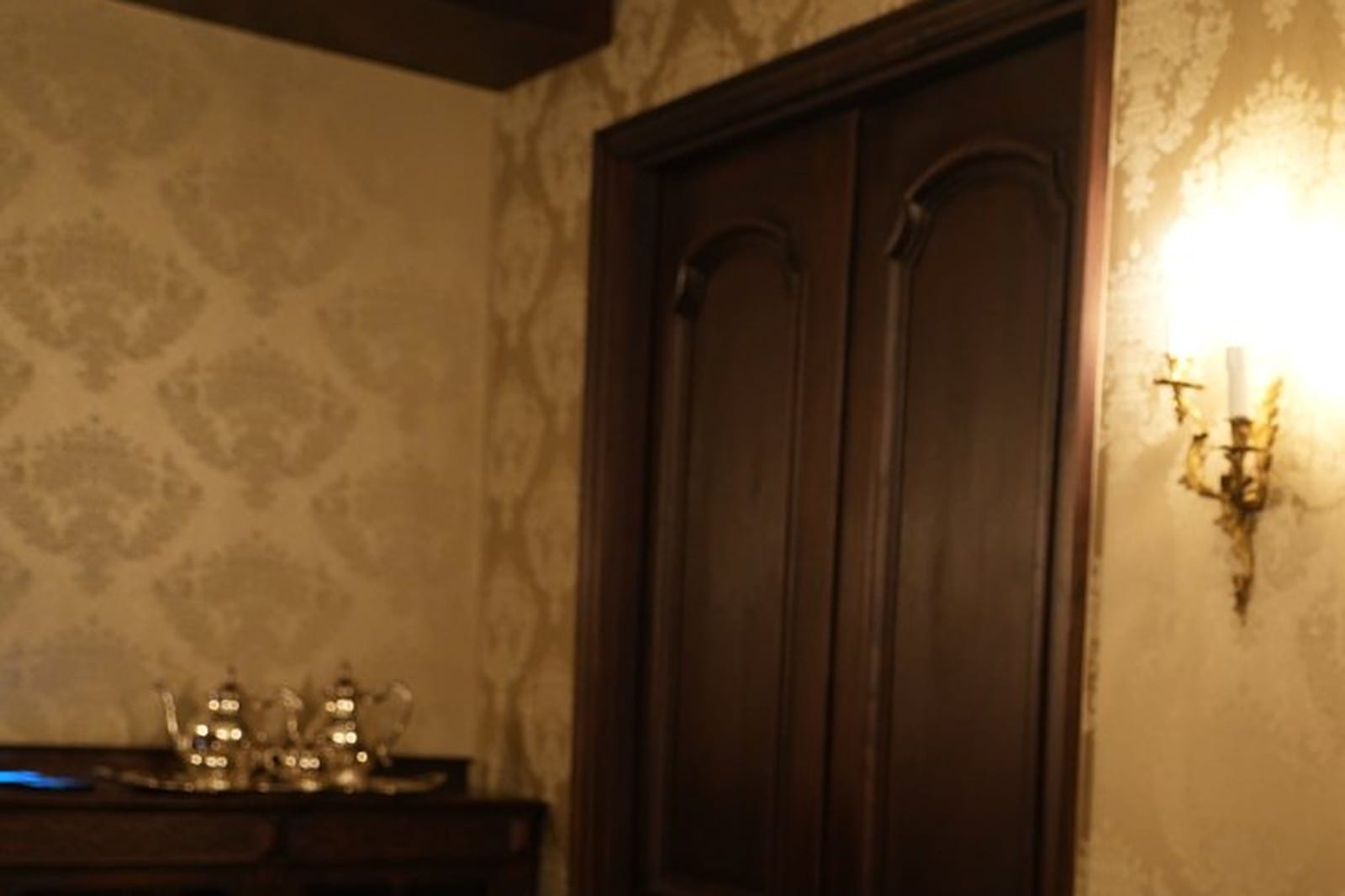
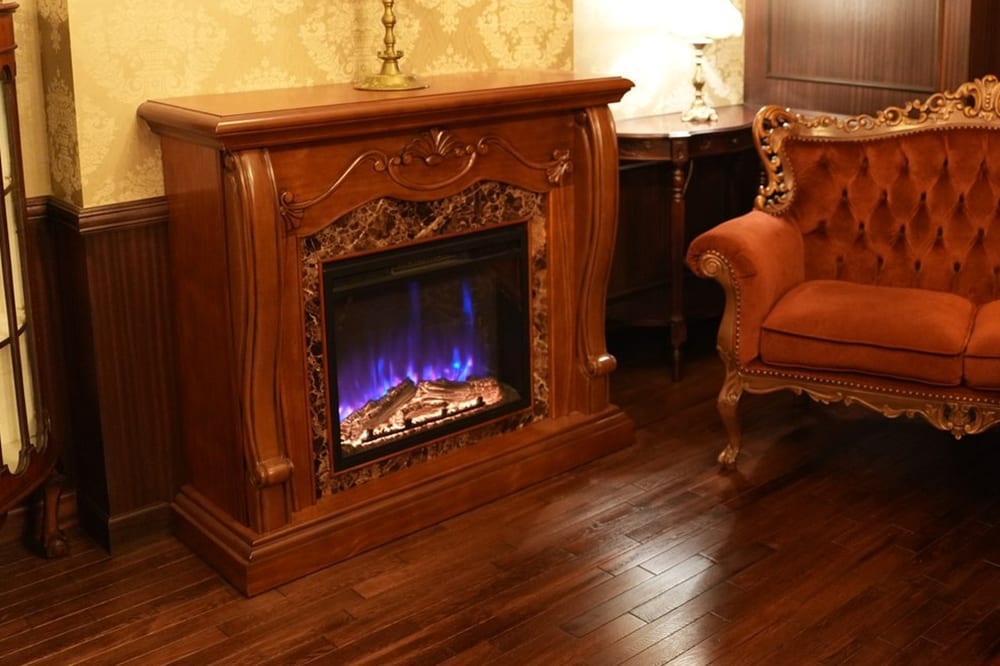
In the dining room stand an English yew table with its chairs and a Maria Theresa chandelier. In the study, a leather-topped desk, a typewriter and a brass lamp. The fireplace lounge has a mantelpiece and rococo sofas; the bedroom, a canopied corbeille bed, French work of the nineteenth century. The wardrobe and the corridor join them. Pieces from different eras and countries share one house.
What may be touched, and what may not
Because a butler is present, what may be touched, what is admired for its history and what may be shifted for the day's purpose are told apart, and even a first-time guest is told the order in which to handle things. Before you move to another room, the butler checks door and floor; where silver or porcelain comes into play, the butler shows where a hand should go. Keeping the history of the furnishings while arranging hours in which a newcomer can touch them is the task of the butler in the house.
For the unexpected, too, the butler is the point of contact
A late train, a change in health, a change to the running order. For what could not be foreseen at booking, the butler is the person to turn to, sorting out what can be done on the spot.
The preparation before you arrive is invisible: lights checked, chairs placed, silver and attire laid out, the butler in the corridor at the hour the door is due to open. That preparation is what lets you walk in without hesitation. During the visit the butler reads how the conversation is going, how a shoot is progressing, where a meeting pauses, and decides whether to come closer or step back.
The unforeseen is taken on too
For a late train, a change in health, a change in the shooting schedule, anything not visible at booking, the butler is the point of contact, sorting out what can be done and saying what will affect the finishing time or the next appointment. Knowing whom to ask is part of what makes a butler reassuring. At departure the butler gathers your coat and bags, looks for anything forgotten and sees you off past the door. That the butler joins the first bow to the last is the value of the house that an unattended rental cannot give.
Where the residence is, and how to come
Inside a building at Aomi 2-7-4 in Koto-ku, Tokyo, in the Odaiba district. A reservation is needed; the full route is sent once it is confirmed. Arrive by train, by car, or by the residence's car.
The residence occupies part of a building at 2-7-4 Aomi in Koto-ku, Tokyo, on the waterfront, a short walk from the stations of the Yurikamome and the Rinkai Line; from the roof, the Rainbow Bridge and the lights of Odaiba at night are in view. The butler sends the exact route as soon as the booking is confirmed. At the hour reserved, a butler is at the entrance to take your bags and coat.
By train, by car, or in the house car
You may arrive by train, by car, or by the residence's car. The last is a transfer driven by a butler between the house and five places, Tokyo Teleport Station among them; it comes with the plan booked, and since the car is not available every day, this is confirmed at booking. If you have large luggage or equipment, please say how much in advance. On a rainy day, wet things are taken first. The residence exists neither for photographs alone nor for tea alone. Inside the door, there is always a butler.
The mornings with no guest expected
The silver is polished, the ash cleared, the clock's sound checked. Only a small part of the manners of this house is ever visible.
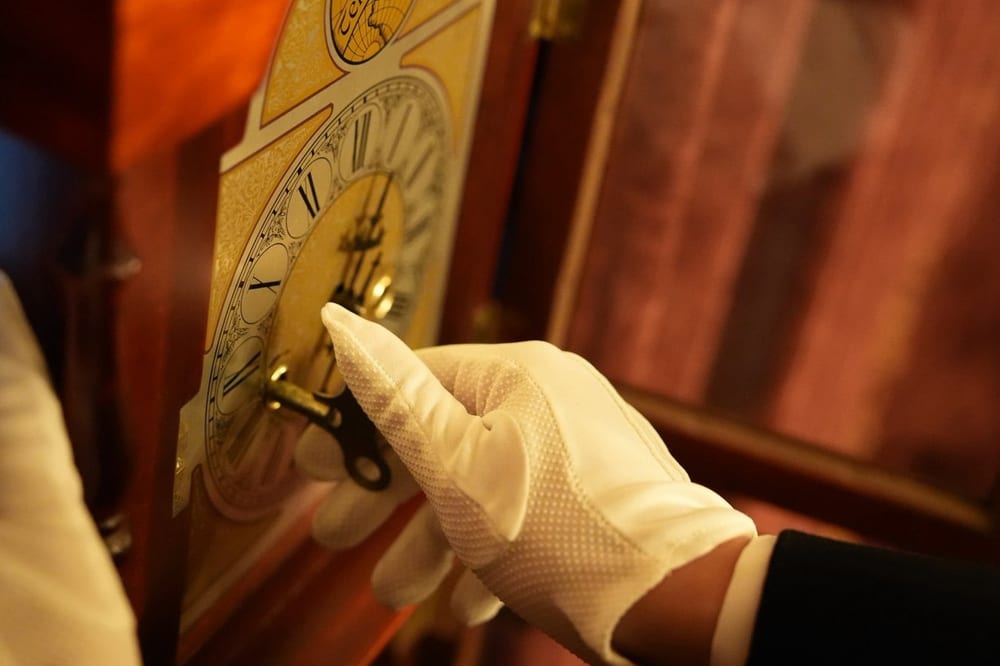
The house is cared for on mornings with no booking. The silver is polished, the ash cleared from the hearth, the clock wound and its note checked, the candle wicks trimmed. Fingerprints are wiped from the glass, the pile of the carpet set straight, the chairs returned to their measured positions.
So the door opens on the same house
It is those hours that let the building stand in one and the same state each time the door swings in. Never letting a guest feel it is a little different from last time is the condition of keeping it going. Furnishings wear by degrees, and unless they are mended while they can be, one day everything looks aged at once.
The house as a practice room
On days without maintenance the butlers watch each other work. With nobody to receive, this building turns into the least forgiving training floor the association owns. The chance to watch a colleague's movements from outside almost never comes round in a real post.
The butler goes ahead when rooms change
The light and warmth of the next room are settled before you rise. The four rooms are laid out as a route for going ahead.
When rooms change, the butler always goes first and opens the door. It is not only courtesy: he lights the next room, checks its warmth, draws out a chair. By the time you stand, what you are walking towards is already prepared.
The lamps follow the clock
The lamps are drawn down by degrees as the clock moves: full at the hour of arrival, a little held back for tea, and by the time of the screening the fire is the brightest thing in the room. Unnoticed, the day in the house is built to lean towards nightfall.
The order need not be settled
You may arrive without deciding which room comes first. A day that began with letters in the study and ended in a doze by the fire is nothing unusual. What the butler attends is not the plan of the house but the person in it.
Frequently Asked Questions
Could I take the house without a butler?
No. Nothing at the residence happens without a butler, who keeps the doors, managing the furnishings and answering your needs.
I would feel uneasy with a butler in the room.
The butler can retire to the anteroom or past the door. How to call is explained at the start, and the butler comes to your side only when needed.
Is a butler there late at night?
Yes. Even on a late-night stay in the salon, the butler remains in the house all night. That arrangement is for one guest only, and no key is handed over.
How many people may use it?
Ordinary services at the residence take up to six. A late-night stay in the salon is for one guest only, so please state the service and number when booking.
Where is the residence?
In a building at Aomi 2-7-4 in Koto-ku, Tokyo, in the Odaiba district. Reservation required; detailed directions are sent on confirmation.
What happens in the house on days with no booking?
The silver is polished, the ash cleared, the clock wound. On days without maintenance, the butlers use the hours to watch each other work.
Related Pages
Using the residence
The booking process, a guide to the rooms and the terms of use are on Queen's Butler's site.
Go to the official site