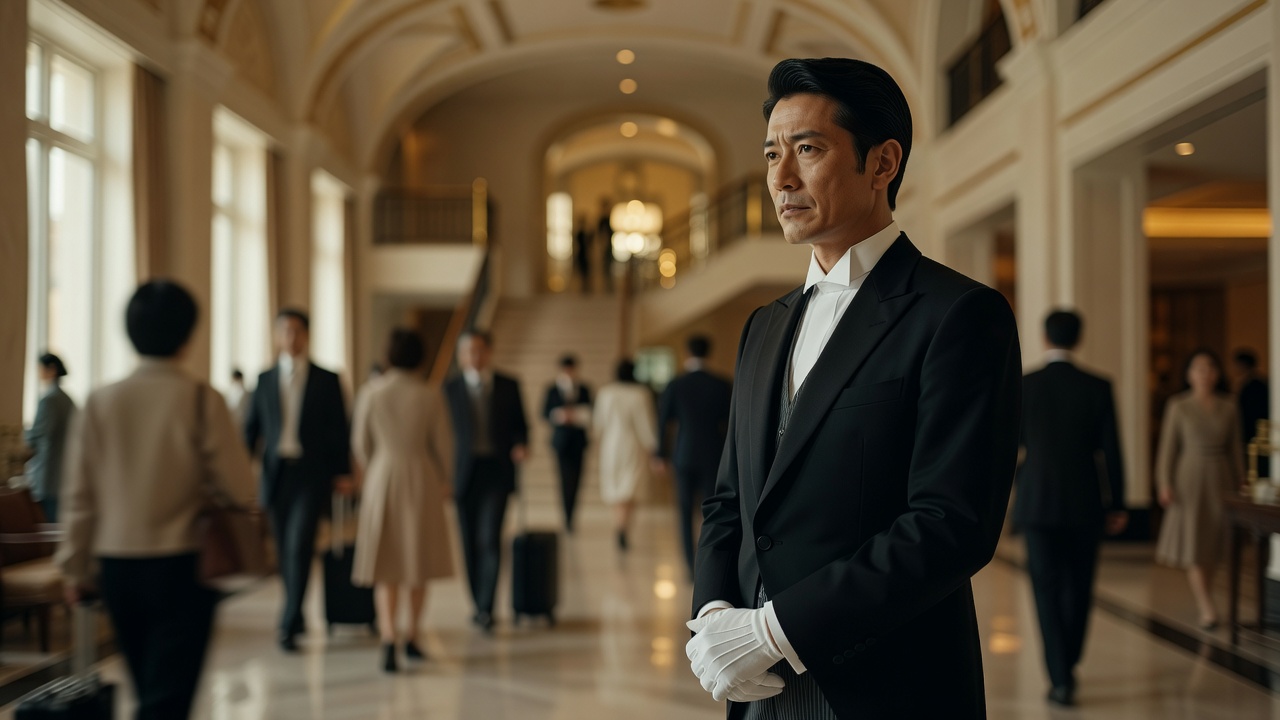
I observe the interactions on the street, the attentiveness shown in shops and the shifts in language people use. This column examines everyday scenes through a butler's eyes.
I write not to judge what is right or wrong, but to consider why things have developed as they have. Drawing on my experiences in the field, I set out what service really involves and why courtesy is necessary.
What Service Means
It is about reducing the other person's need to make decisions. A well-thought-out arrangement that removes uncertainty eases their burden far more than polite words alone.
People tire more quickly when they must constantly decide where to go, where to sit or when to leave. Excellent service means these decisions have already been settled in advance.
Polished language alone will not put someone at ease if the layout itself is unclear. Design must come first; words follow.
Why Courtesy Matters
It saves us both the time spent feeling each other out. When a shared form exists, neither party needs to guess how the other will behave.
Courtesy is often seen as mere formality, yet it is really a practical tool for efficiency. Once the form is understood, even strangers can speak without unnecessary tension.
Without such forms, people expend energy watching how the other will react. I regard courtesy as the means to direct that energy toward the matter at hand.
Changes in Language
Honorific speech continues to simplify. What matters is not strict correctness of form, but whether the other person feels respected.
Excessive formality can create distance, while excessive casualness may seem dismissive. The question is never which is correct in the abstract, but which suits the person and the setting.
I employ precise honorifics, yet not for the sake of form itself. Clear roles allow the other person to relax without having to worry about my intentions.
Efficiency and Courtesy
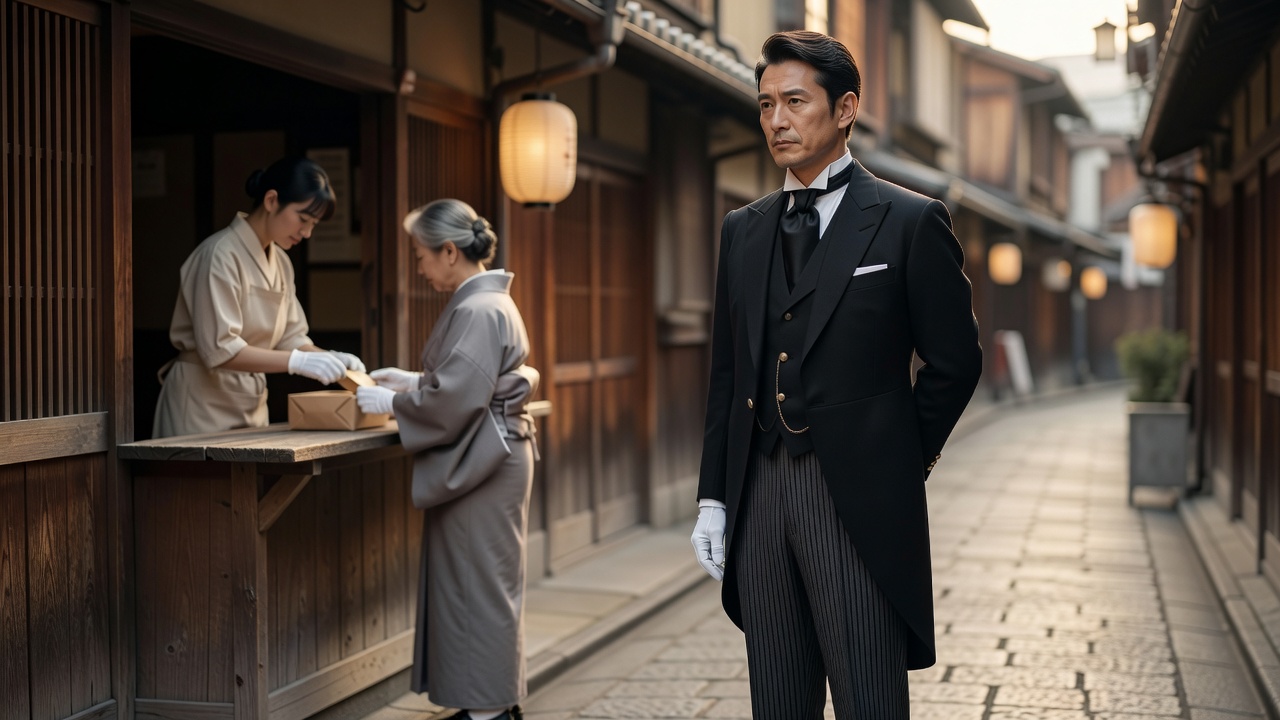
They do not conflict. Much of what appears courteous can be achieved through preparation, without adding movements on the day.
The notion that courtesy requires extra time does not hold in practice. Time is limited, and extra movements only make others wait. When everything is prepared beforehand, fewer actions suffice to appear courteous.
Those whose bearing is graceful move least. The quiet impression is simply the result of having removed what is unnecessary.
The Difficulty of Observing
I find watching more demanding than speaking. To read another person's state, one must resist the urge to act.
The impulse to do something is strong, yet acting when nothing is required becomes an imposition. The proper order is to watch, to wait and to move only when needed. Maintaining that order remains the hardest part of the work.
Whether one can choose silence depends on whether one is truly watching the other person. I am reminded of this daily.
Frequently Asked Questions
What is good service?
It is about reducing the other person's need to make decisions. The state in which choices such as where to go, where to sit or when to leave have already been settled in advance.
Why is courtesy necessary?
It saves the time both parties would otherwise spend feeling each other out. A shared form allows energy to be directed to the matter at hand rather than guessing the other person's intentions.
Does being courteous take more time?
No. Much of what appears courteous can be achieved through preparation. Once prepared, fewer actions on the day are enough to appear courteous.
Related Pages
Speaking Engagements
I welcome enquiries about lectures on service and courtesy.
Contact