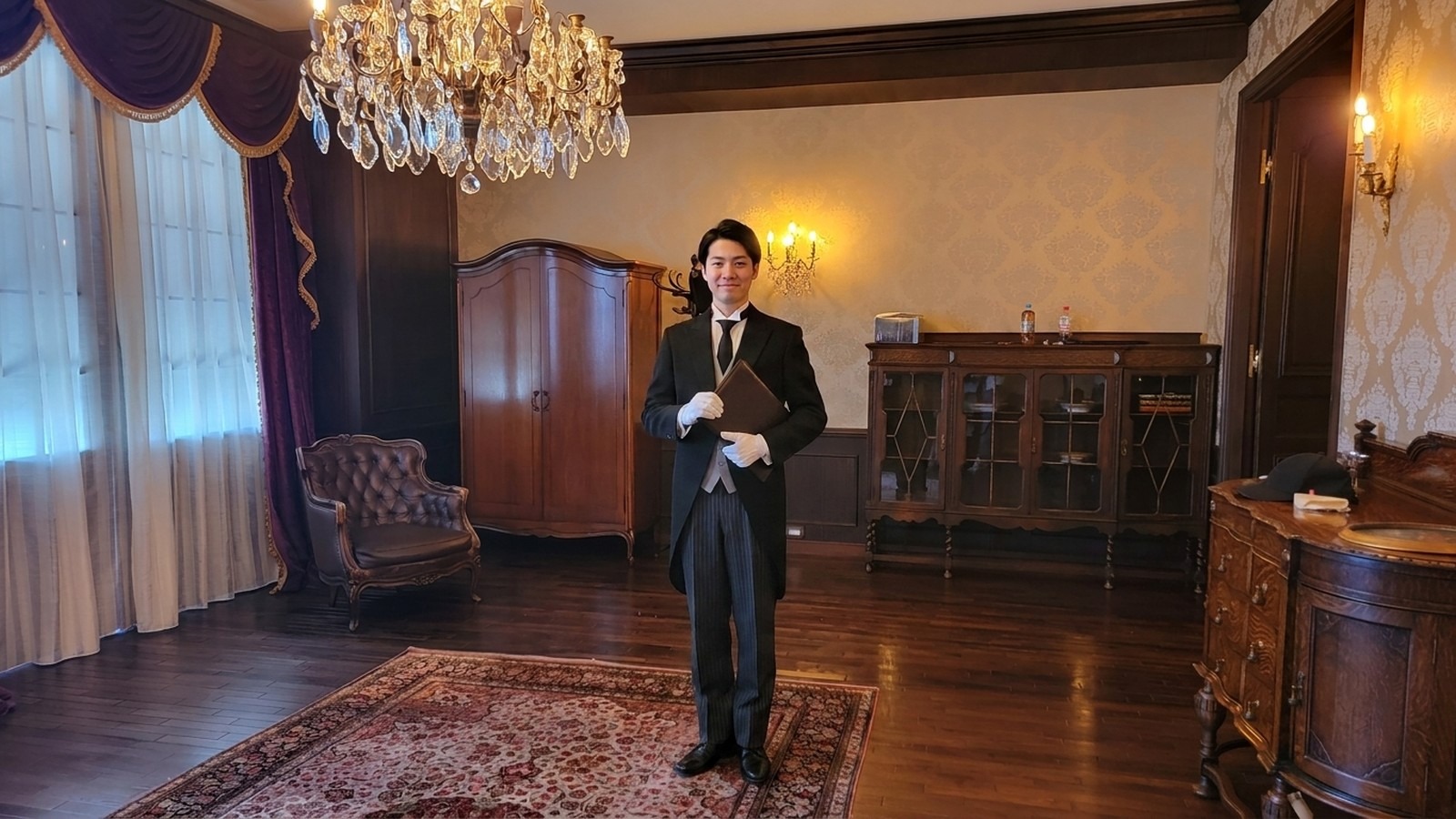
It is butlers who know the field who teach butlers. There is only so much one can learn from books, and practical skills require someone to observe and point out errors.
From my perspective as head (Todori) of the All Japan Butler Association, I shall introduce the experience that underpins the instruction at the Japan Butler Academy and explain why we place such weight on practical training alongside theory.
Who teaches our butlers
It is butlers who are actually serving in the field who provide the instruction. We ensure that those who know the realities of on-the-spot judgement teach, rather than theorists.
When someone who has left the field does the teaching, the content gradually drifts from actual practice. How one handled the unexpected, and why that judgement was made—these things can only be conveyed from experience.
The head keeps working too
I myself continue to work in the field for the same reason. Once one loses touch with the field, truth disappears from one’s words.
The examples grow each month
Because instructors keep working, the stock of usable examples grows every month. This happened last week; this is how it was judged. An example that is not invented lodges in the memory quite differently.
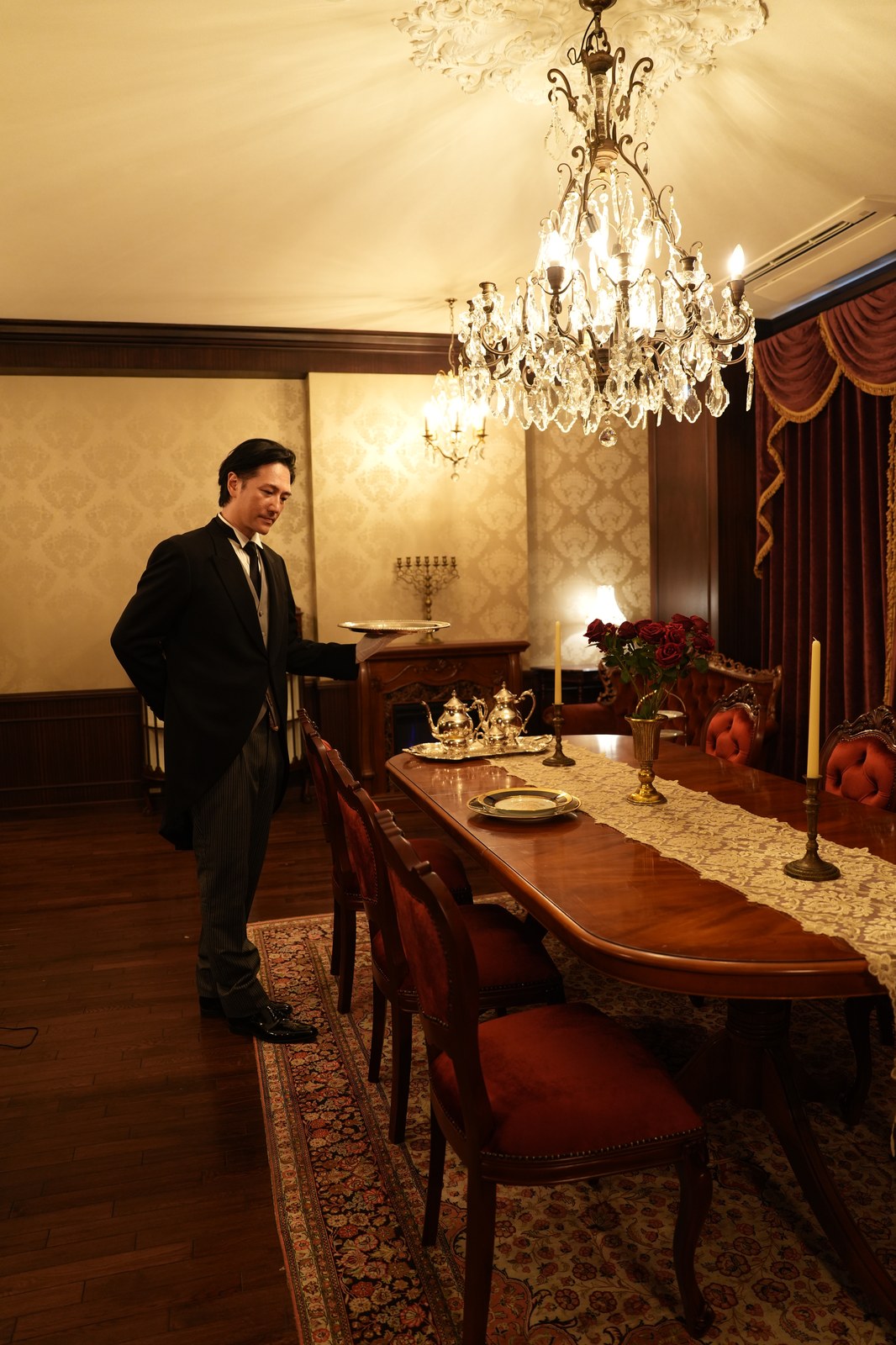
Why we value practical training
Because one cannot notice one’s own errors in bearing and movement. Posture, timing and the avoidance of noise can only be corrected when observed from outside.
One may believe one is moving gracefully, yet noise may be made or one’s gaze may drop. Much escapes notice even when using a mirror, so the process of receiving correction is essential.
Until it happens without thinking
Practical training also requires repetition. The aim is to move an action from conscious understanding to a state where it can be performed without thought. Only then does one gain the composure to attend to the guest.
The minutes the instructor says nothing
There are moments in practical work when the instructor says nothing. Having seen the error and wanting to correct it, he waits a little to see whether the student notices. A form mended after being told does not stay as well as one mended after noticing.
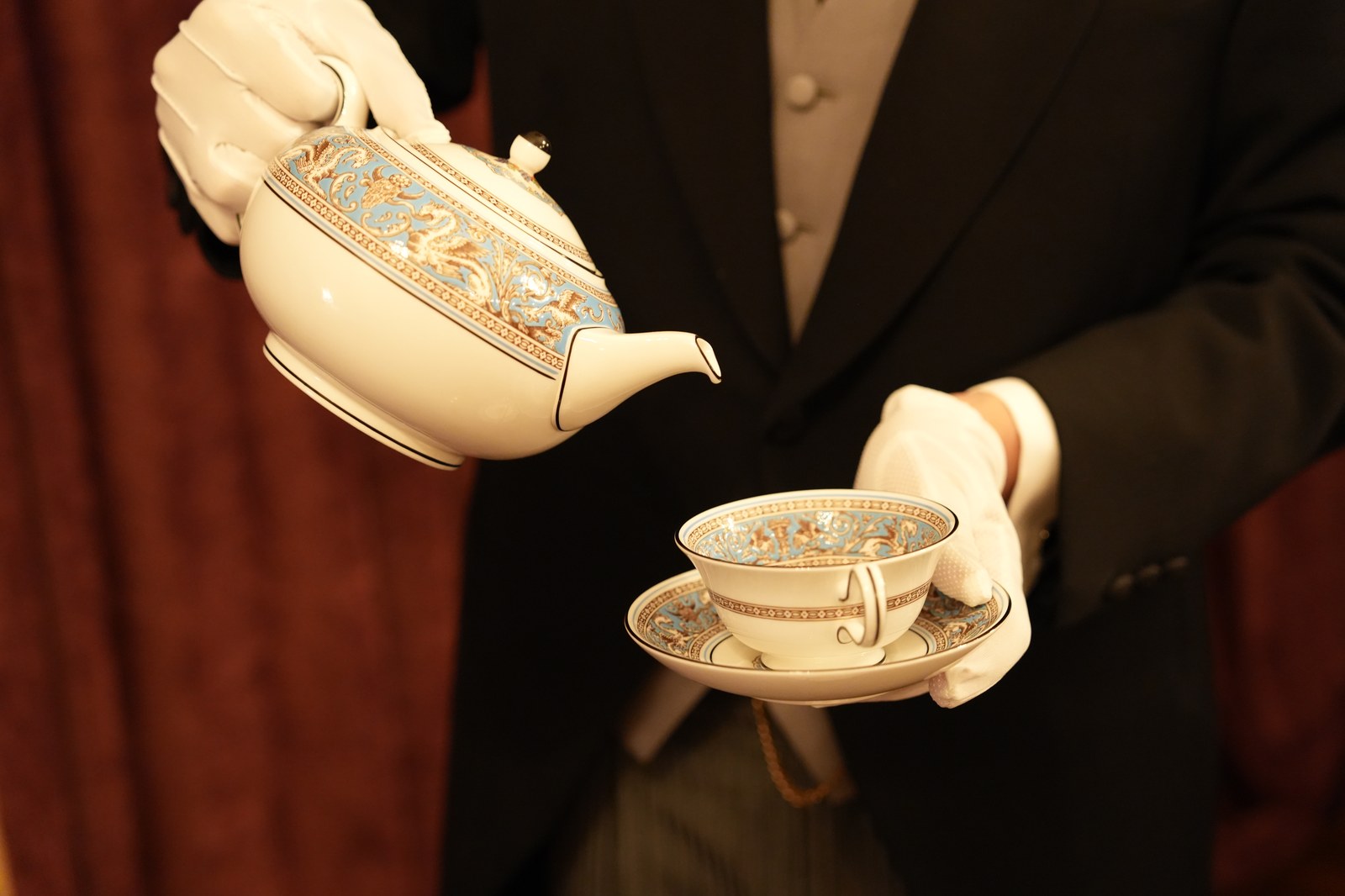
How we teach
We demonstrate, have the student try, then correct. This cycle is repeated. Instruction that relies solely on verbal explanation is not given.
The instructor first performs the action. The student then attempts it and receives immediate correction. By putting into words what was different, the student learns to notice errors independently thereafter.
It means nothing unless numbers are small
We keep numbers small so that each individual can be observed. Larger groups would improve efficiency, yet practical training loses its meaning if it is not seen.
Corrections put into words
Corrections come back put into words. "A little more care" leaves nothing to notice next time. Only when it becomes "look at where the other person's hand is before setting the vessel down" can a student mend it themselves.
Show it
Have it done
Give it back in words

We teach more than technique
We also teach bearing: maintaining confidentiality, remaining unobtrusive and putting others first. These qualities cannot be transmitted by books.
Technique can be set down in teaching materials, but bearing passes only from person to person. Students watch how the instructor conducts himself. If the instructor’s own bearing is flawed, his words carry no conviction.
Why the three pillars are named
The Association upholds confidentiality, discipline and dignity as its guiding principles precisely to keep these matters clear.
Only what is visible transfers
Almost no time is spent lecturing anyone on bearing. Students watch, from beside him, how the instructor keeps a confidence and how he lets praise pass. Only what is visible is what transfers.
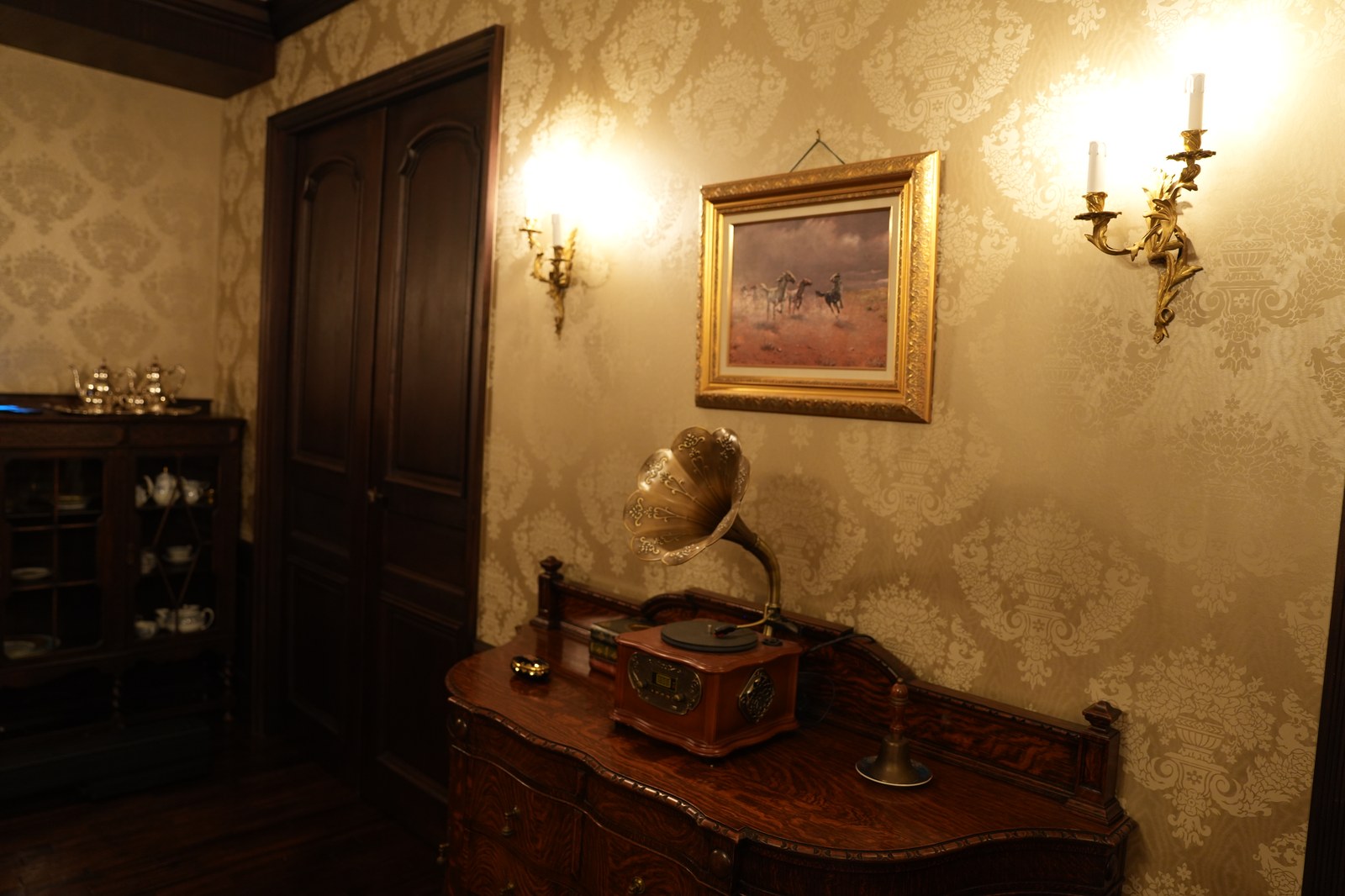
Where the curriculum may be viewed
Details of course structure, schedule and entry requirements are published on the official site of the Japan Butler Academy.
This site explains the thinking behind our methods. Because schedules and recruitment status change, please consult the official site for current information.
What to bring is on another page
The mindset we hope students bring to their studies is described on a separate page.
What the teacher gains
Those who teach gain from it too. Explaining to another obliges you to put into words why you do what you do, and the longer someone has worked, the harder that becomes. The classroom is practice for the instructor as well.

A form the instructor cannot show is not taught
What can be put into words is already in the textbook. What an instructor is there to do is show the body moving exactly as those words say.
The school has a rule: no form is taught that the instructor cannot perform himself. Explanation alone can be produced endlessly, but if it cannot be shown on the spot, that form has not entered the instructor's body — and what has not entered cannot be handed on.
The instructor practises first
So instructors practise before they teach. On a morning when he is to stand in front of students, an instructor runs the same movements several times before entering the room. The students never see those minutes, but whether they were spent comes through in the first gesture.
No one is taken on to teach alone
That every instructor still works in the field is bound up with the same rule. Nobody is taken on to teach and nothing else, because that is precisely how classroom language parts company with the work. Whoever stood at a table last week comes before the students with the same hands.

The hardest thing to teach
How to spend the hours in which nothing is done. Teaching someone who reaches for a task the moment their hands are free to wait instead takes the longest.
The hardest form to teach is the one in which nothing moves. A student whose hands fall idle goes looking for something to wipe or carry. It is eagerness, but the movement unsettles the room.
The position is settled first
The method begins with fixing where to stand. With the position settled, standing still becomes work rather than idleness. Then they are asked to say what can be seen from there: which vessel on the table is empty, whether anyone near the door is beginning to rise. If they can see it, they are working without moving.
Those who can wait learn faster
A student who can wait learns the other forms faster, because someone able to stop can see others move. In sequence, teaching the waiting first finishes the whole thing sooner.
Sometimes the instructor is the one taught
Teach a form together with its reason and unexpected questions come back. Some of the association's revisions have come from exactly those questions.
A reason always accompanies a form. Students then sometimes ask whether, if that is the reason, another order of steps would not be more natural. Such questions are welcome, because only someone who has understood the reason can raise them.
The direction of clearing changed
Procedures have in fact been changed on a student's observation. In one course it was pointed out that clearing from the left keeps the guest's line of sight unobstructed. On checking, it proved true, and the textbook was corrected within the same term.
Graduates come back
Graduates also come back years later to test a form that has run aground in the field. On those days I take the listener's chair. Someone who works in a household is stuck in far more concrete ways than anyone standing in a classroom.

Frequently Asked Questions
Who provides the instruction?
It is butlers who are actually serving in the field who provide the instruction. How one handled the unexpected can only be conveyed from experience.
Why is practical training central?
Because one cannot notice one’s own errors in bearing and movement. Posture and timing can only be corrected when observed from outside. We aim for actions that can be performed without conscious thought.
Why do we keep numbers small?
Practical training loses its meaning if each student is not observed. Larger groups would improve efficiency, yet the quality of correction would decline.
How are instructors chosen?
From butlers still working in the field. No form is taught that the instructor cannot perform himself, and we employ no one who only teaches.
Do students' observations ever change a procedure?
They do. On one occasion a student's point about the direction of clearing led to the textbook being corrected within the same term.
Related Pages
Consultation on studies
Details of instruction and schedules may be found on the official site of the Japan Butler Academy.
Go to enquiries